
Welcome. Michael Thacker is an emerging scholar whose work lies at the intersection of evolutionary psychology, depth psychology, and philosophical inquiry. His research examines the adaptive structures of human cognition and behavior, with particular emphasis on the evolutionary origins of consciousness, the archetypal processes of individuation, and the sociocultural forces shaping psychological well-being in the modern era. By integrating empirical research with theoretical frameworks, his work seeks to advance scholarly discourse on the nature of human development and the prospects of future adaptation.
Latest Videos:
-

The Core of Belief: Identity, Structure, and the Organization of the Psyche
Belief provides the psychological structure through which humans interpret reality, construct identity, and discover meaning. Yet the evolution of the Self may depend upon our capacity to question, revise, and reorganize those beliefs.
-

Integration of the Psyche Through Experienced Mythos and Scientific Inquiry
How religious narratives and scientific inquiry might work together to deepen self-understanding and cultivate psychological wholeness. Six million years have transpired since humans shared a common ancestor with chimpanzees — and since that time…
-

Prehistoric Hunter-Gatherers: The Sexual Division of Labor
Women’s Hunting, Male Predominance, and Variation Across Foraging Societies Recent archaeological and ethnographic evidence has renewed debate over women’s participation in hunting among prehistoric and recent foraging societies. The frequency of women’s hunting, the…
-

The Asymmetry of Perfection
Symmetry, Agency, and the Evolution of Idealistic States A form of idealistic perfectionism has become embedded within many contemporary postmodern-influenced movements—and embedded within this concept of idealism is an emphasis on symmetry. Symmetry, in…
-

The Evolution of Coherence Through Religious Conceptualization: The Divine and Sacrifice
Sacrifice is the essence of human success. It is through the sacrifice of what is expedient in exchange for that which is meaningful that our predecessors were able to survive. It is the ability…
-
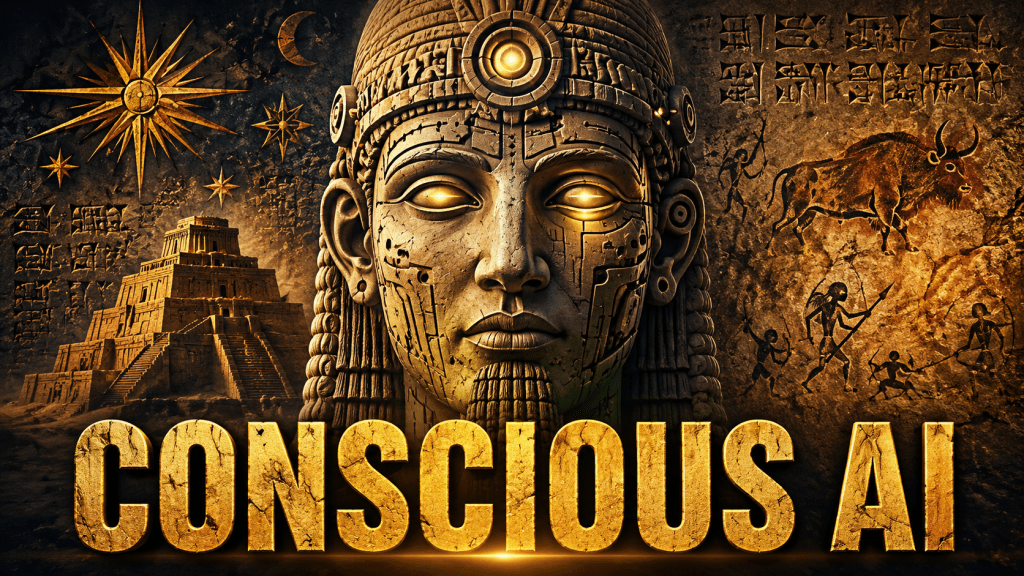
AI Consciousness
Is artificial intelligence (AI) becoming a conscious entity? Here, I discuss how consciousness appears to have evolved over evolutionary time through various mechanisms, including sensory modalities, neuroanatomical functions, and quantum processes. Similarly, these mechanisms,…
-

The Value of Religion: An Evolutionary and Depth-Psychological Analysis
“God is dead, God remains dead, and we have killed him.” — Friedrich Nietzsche The Death of Religion Toward the end of the nineteenth century, the death of God was proclaimed by Nietzsche (Nietzsche,…
-

The Cyclical Process of Differentiated Wholeness
Development is a process composed of both partial and contextual elements. Each progressive step toward a conceptualized goal belongs to a longer sequence of integrative movements that together constitute a whole. These parts must…
-
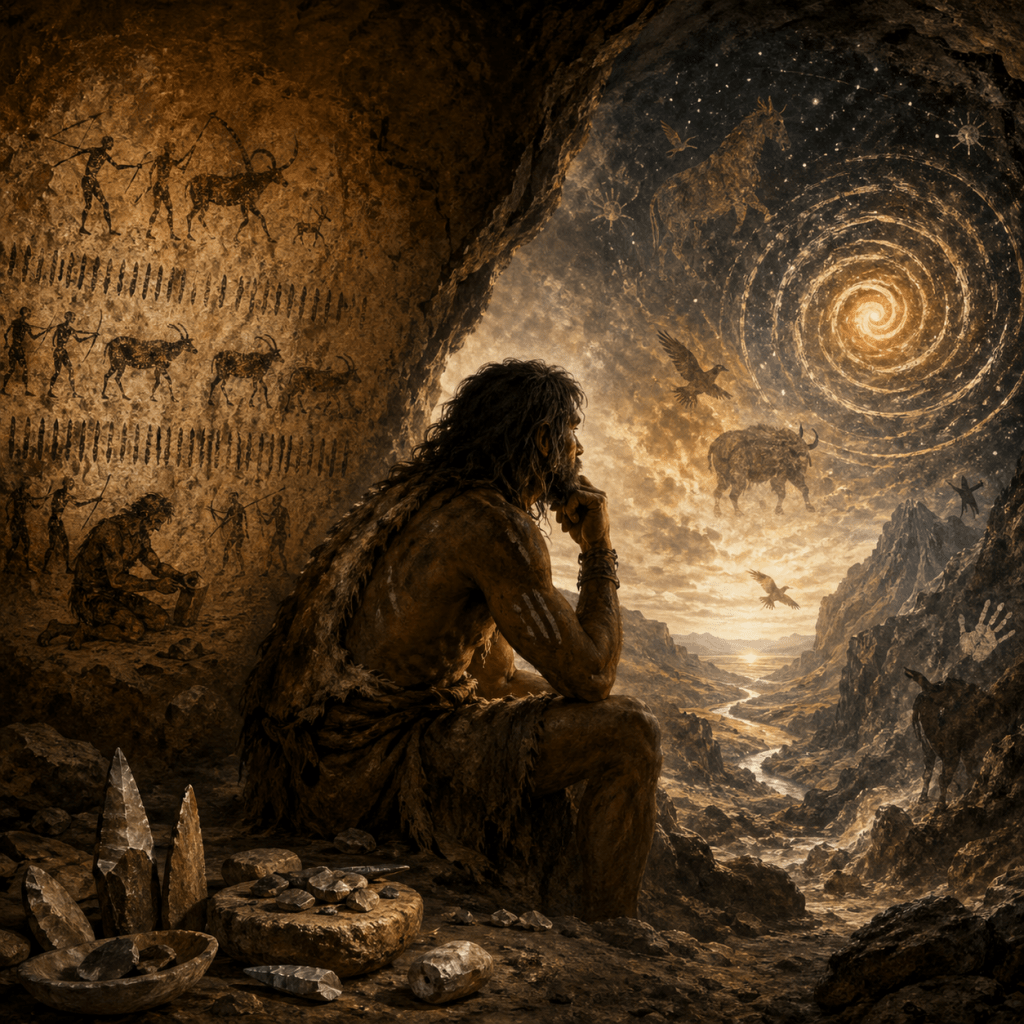
Cognitive Heuristics vs Integration: Oscillating Between the Cave and Exploration
Cognitive heuristics (shortcuts/bias) are an adaptive quality of efficiency. Each time one interacts with their environment, they are predisposed to rely on them in an effort to conserve psychological resources. Though these innate tendencies…

