How religious narratives and scientific inquiry might work together to deepen self-understanding and cultivate psychological wholeness.
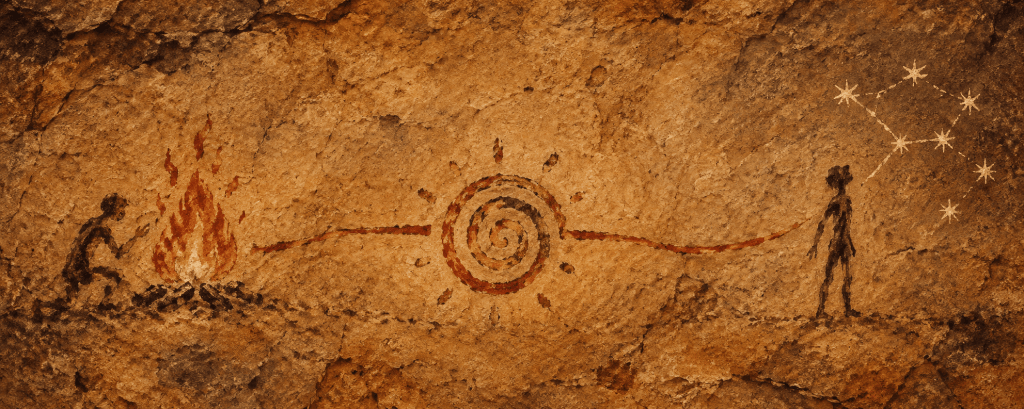
Six million years have transpired since humans shared a common ancestor with chimpanzees — and since that time the discrepancy between human and chimpanzee capabilities has increased exponentially. Differences in general intelligence, manual dexterity, and sensory processing have provided us with the ability for symbolic generation (Donald, 1991; Tattersall, 2013). This symbolic generational ability has progressed through iconic representation to indexical reference to symbolic inference. Through this hierarchical referential and inferential pattern sequence, we have garnered the ability to manage ourselves and the environment in ways that no other species could fathom (Deacon, 1998).
Means of self-management involved categorical modes of occupation such as tool making, hunting, caregiving, and protecting. Each of these modes of occupation progressively developed into a shared network that enabled the survival of the group. This ingroup cooperation and collaboration allowed for sustainable redistribution that provided a bidirectional effect: occupational contribution leads to redistribution of resources that then leads to sustainability of both the individual and group (Rappaport, 1999; Sosis & Bressler, 2003; Tattersall, 2013).
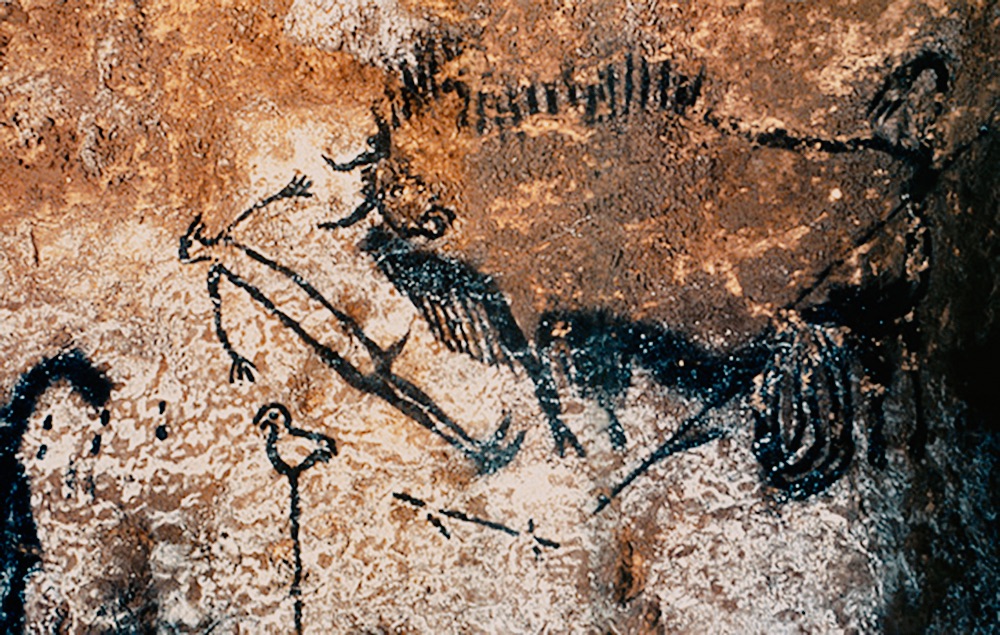
As we continued to evolve, self-manageable provisions increased in complexity. Symbolic thought and articulation was a significant contributor to these provisional complexities. This symbolic ability became evident into the Upper Paleolithic with the advent of artistic expression buried deep within caves throughout modern day Europe. Depictions of various animals, humans, anthropomorphic figures, and varying symbols fill the cave walls, analogous to that of Renaissance cathedrals. In addition to these symbolic articulations are the remnants of what appear to be ritualistic behavior such as animal sacrifice. Thus, these caves could have potentially housed the first religious experiences of humanity (Lewis-Williams, 2004; Narr, 2021).

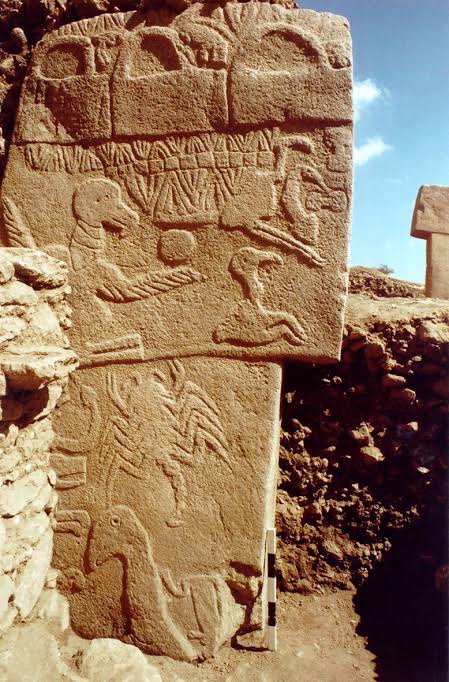
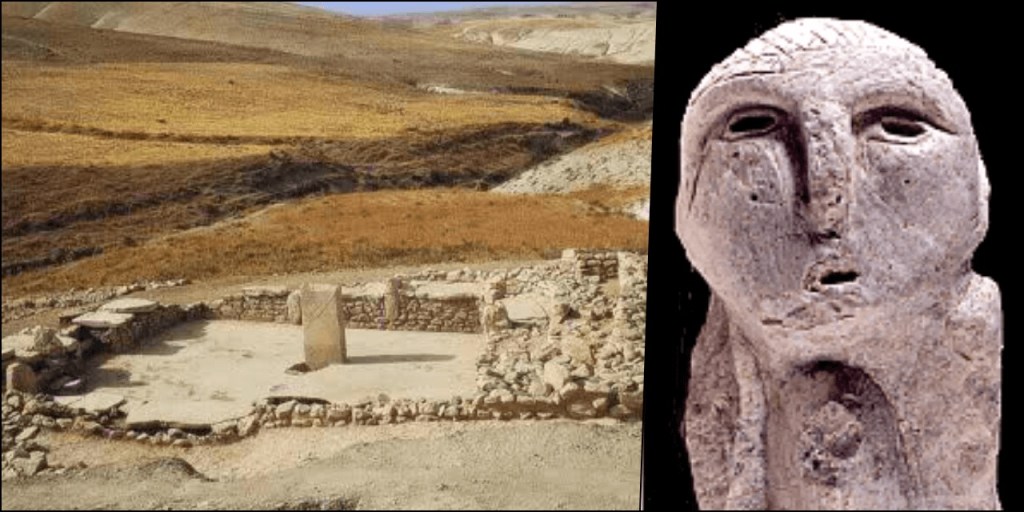
These primitive religions evolved themselves in articulative precision with symbolism progressing in complexity throughout the Upper Paleolithic and into the Neolithic. With the advent of agriculture and herding came an emphasis on the manufacturing of erected symbols found throughout the Neolithic Near East at sites such as Gobekli Tepe and Nevali Cori (Cauvin, 2000; Schmidt, 2010). As with the erected symbolism of the Neolithic, ancient civilization evolved this tradition with the construction of massive temples: the ziggurats of Sumer and the pyramids of Egypt, among others.
The development of these religious concepts only progressed further with the advent of written language in both Sumer and Egypt. Writing allowed for more precise articulation of religious ideas that were then later developed beyond previous generational constraints. Each subsequent generation was able to study previous religious ideas with increased scrutiny and thus discover discrepancies that could be contended with either narratively or theologically (Gross, 2012).
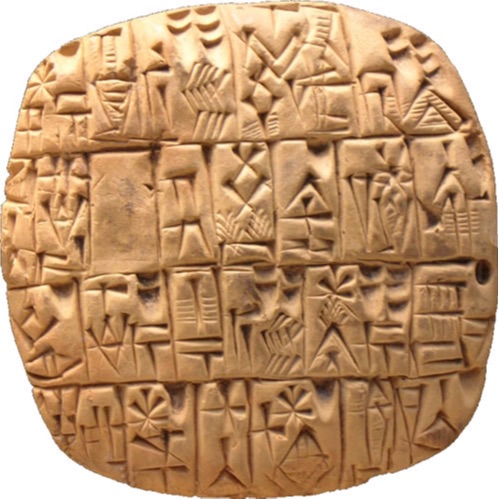
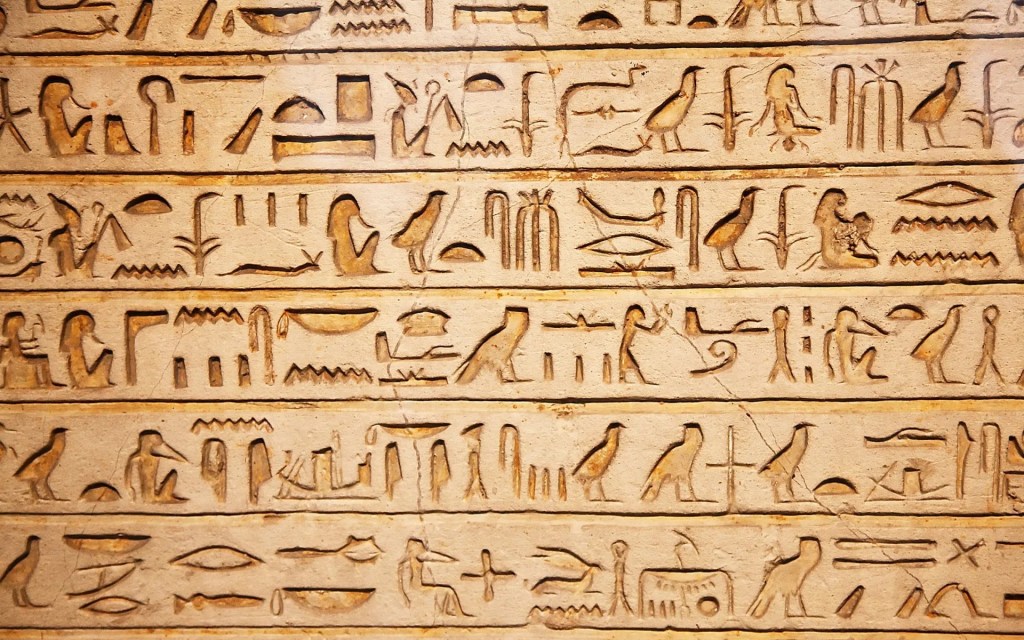
Progression from the ambiguous nature of prehistoric religion to the more articulative and precise conceptualization of ancient societies allowed for the development of more coherent belief structures. By the time of the ancient Babylonians and New Kingdom of Egypt, coherence through unification gradually become evident. The multitude of various forces of nature develop into a hierarchical system with a supreme deity at the pinnacle that is represented as something that constitutes a paradigmatic form of totality. This was only further evolved with the formation of Judaic and later Christian religions that sought to set the pinnacle form as the totality itself. Unification through integration that equated to coherence and complete functionality.
Viewed schematically rather than as a strictly linear history, these developments suggest an increasing human capacity to organize experience through more explicit and integrated symbolic systems. These belief structures were an attempt at organizing both the human psyche and the world as such. They were the accumulative progressive wisdom of human trial and error over the course of the millions of years since we were common apes. They worked, at least in part, because they were the empirical reality of what constituted survival and propagation of the species articulated in narrative drama form. In addition, it was in these value systems that ancient people submitted their existence to help provide meaning and structure (Bellah, 2011; Rappaport, 1999).
It was through these value systems that provided the individual perceptual schema a means by which to understand themselves and the world around them. Without such, coherence either dissolves into dissolution or attempts to develop a value structure of itself apart from the narrative drama of religion. However, according to both Nietzsche and Jung, the attempt of self-value construction leads to the formation of ideological structures that distort reality (Jung, 1968, 1969; Nietzsche, 1974).
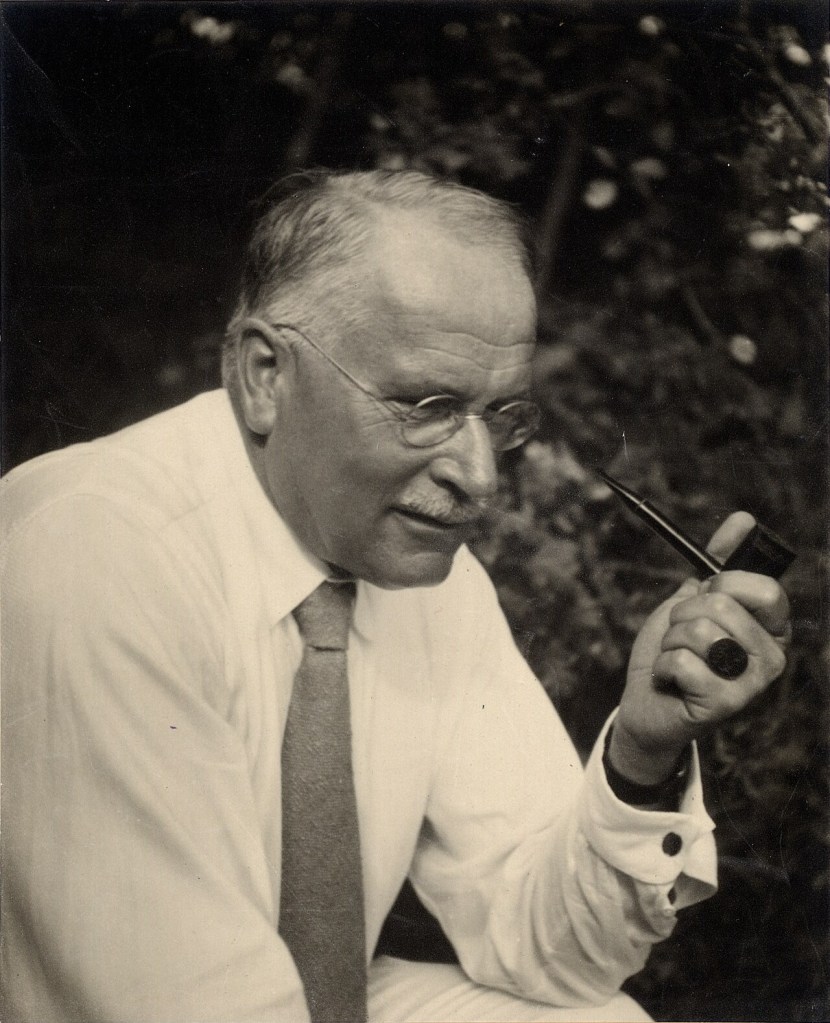
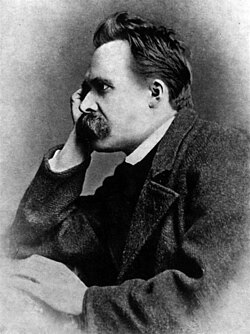
For Nietzsche, this distortion became evident during the enlightenment wherein emphasis on rationalism and scientific inquiry began to capture societies’ perception. Though this development was healthy, as Nietzsche acknowledge, he was also aware of the repercussions of the complete dismantling of traditional value structures that resulted. “The death of God” was the sorrowful proclamation so often quoted by intellectuals (Nietzsche, 1974, §§ 125, 343). In a Jungian perspective, it was in this phrase that equated to the death of the Self. From here, the ego would reign in as the supreme while the Self and unconscious were repressed (Jung, 1968, 1969).
Repression of such results in a hyper-rationalistic mode of perception that puts the individual at the center of existence. Thus, the individual is the determinant of value in relation to a persona that is manifested at any given time. Though this orientation may suit the individual momentarily, it does not allow for efficient coherence and cooperation at the societal level, nor does it allow for proper development for the individual.
Nietzsche spoke directly about this dilemma while acknowledging that the death of religious structures would motivate the individual to develop their own value system (Nietzsche, 1974). As previously stated, traditional value systems were constructed through generations of trial and errors of millions of years. In addition, they were reconfigured through the contemplative efforts of scribes that devoted themselves to this articulated wisdom. Thus, for an individual to formulate their own value system through the acquisition of a variety of knowledge in conjunction with personal experience is exceptionally difficult if not impossible. Tradition cannot be cast aside as superstitious belief but rather needs to be synthesized gradually with progressive information in an integrative fashion.
While religion has offered an organized value structure that consists of the accumulated wisdom of evolving humanity, science has provided a way in which these value structures can be tested. We now possess the ability to empirically test value-laden ideas that are embedded within religious works for their validity. By utilizing the tools of science, we can come to understand how accurate ancient value systems were and are. For instance, testing the concept of judgment vs discernment that is a common feature within Christianity can help shed light as to how accurate these teaching may be (Barbour, 1997; Putnam, 2002; Weber, 1946).
Furthermore, comparing and testing interpretational models would be useful in understanding which frameworks are the most supported empirically. For instance, comparing interpretations surrounding the concept of judgment and discernment such as progressive interpretations promoting a non-judgment clause, while traditional interpretations emphasis discernment of the character of the person. Science could examine whether interpretations of judgment and discernment produce better interpersonal accuracy, greater compassion, stronger boundaries, reduced prejudice, improved psychological health, and greater social cooperation.
Not only can interpretations within a given religion be compared and tested, but those of other religions as well. For example, comparing and testing the concept of one’s connection with God between Islam and Christianity. Obviously, the means of testing such a concept could be done in relation to Jung’s idea of the Self being equated with the concept of God. That said, Islam articulates God as unapproachable due to his holiness, while Christianity emphasizes a direct relationship with the divine (Eliade, 1985; Eliade, 1988). A Jungian analysis could compare how differing configurations of divine transcendence and immanence shape the individual’s relationship to the self, community, moral authority, and reality (Jung, 1969).
Of course, the means of interpretational analysis and testing of religious concepts are numerous, however, exceptionally fruitful in a variety of ways. Interpretational analysis allows for a greater understanding of potential meanings of the writers of religious text, as well as the underlying psychological influence of the dramas. The latter of these two can help improve our comprehension of the evolving mechanism of human consciousness. By analyzing the underlying structure of value systems and their narrative circuitry, we can map out how the collective organized fundamental propositions of survival into a coherent and dynamic adaptive system. Furthermore, testing these propositions enables us to not only understand their validity but also how these propositions evolved in coherence and complexity. Thus, providing a glimpse into the evolving dynamics of human cognition and consciousness as we progressed technologically and intellectually as a species.
Religion is an early attempt to categorize and make sense of the world through survival propositions embedded within narrative dramas. Similarly, science is the attempt to categorize and make sense of the world albeit in a manner that is hypothetically formation and tested. Thus, religion is a retrospective mechanism that provides a foundation of the evolving human experience, while science is prospective providing a means of generating predictions of the human experience and testing them accordingly (Barbour, 1997).
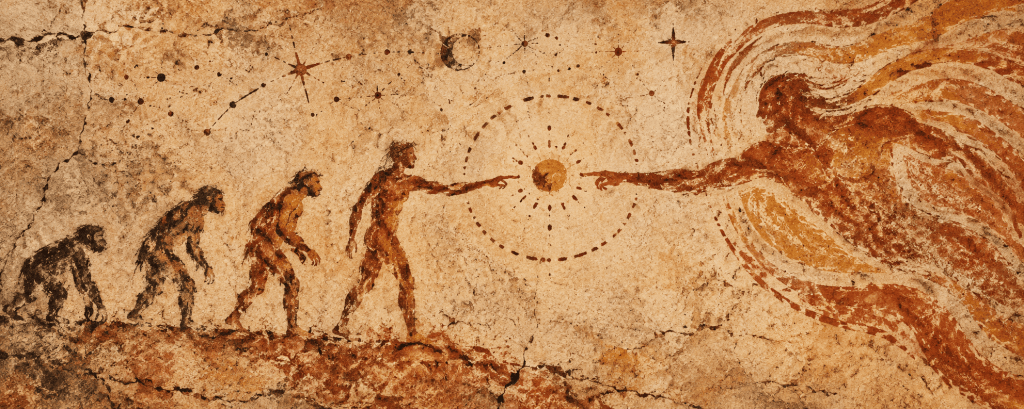
Both systems complement each other in a unique and dynamic way that could help humanity progress evolutionarily. The mistake is to neglect the traditional wisdom of religion while favoring the progressive nature of science, and vice versa. The former leads to rapid acceleration of progressive mechanisms that result in upheaval, while the latter stagnates and dies. Rather than either extreme, we need to find the “Way” as promoted in the Buddhist’s tradition wherein we seek to synthesize and integrate elements of both systems in an evolving and oscillatory manner (Gethin, 1998). As we oscillate between the information provided by both systems, we then gradually evolve a comprehensive understanding of the nature of ourselves and reality as such.
Barbour, I. G. (1997). Religion and science: Historical and contemporary issues. HarperSanFrancisco.
Bellah, R. N. (2011). Religion in human evolution: From the Paleolithic to the Axial Age. Belknap Press of Harvard University Press. https://doi.org/10.4159/harvard.9780674063099
Cauvin, J. (2000). The birth of the gods and the origins of agriculture (T. Watkins, Trans.). Cambridge University Press.
Deacon, T. W. (1998). The symbolic species: The co-evolution of language and the brain. W. W. Norton & Company.
Donald, M. (1991). Origins of the modern mind: Three stages in the evolution of culture and cognition. Harvard University Press.
Eliade, M. (1985). A history of religious ideas: Vol. 2. From Gautama Buddha to the triumph of Christianity (W. R. Trask, Trans.). University of Chicago Press.
Eliade, M. (1988). A history of religious ideas: Vol. 3. From Muhammad to the age of reforms (A. Hiltebeitel & D. Apostolos-Cappadona, Trans.). University of Chicago Press.
Gethin, R. (1998). The foundations of Buddhism. Oxford University Press.
Gross, M. (2012). The evolution of writing. Current Biology, 22(23), R981–R984. https://doi.org/10.1016/j.cub.2012.11.032
Jung, C. G. (1968). Aion: Researches into the phenomenology of the self (R. F. C. Hull, Trans.; 2nd ed., Vol. 9, Part 2). Princeton University Press.
Jung, C. G. (1969). Psychology and religion: West and East (R. F. C. Hull, Trans.; 2nd ed., Vol. 11). Princeton University Press.
Lewis-Williams, D. (2004). The mind in the cave: Consciousness and the origins of art. Thames & Hudson.
Narr, K. J. (2005). Paleolithic religion. In L. Jones (Ed.), Encyclopedia of religion (2nd ed.). Macmillan Reference USA. https://www.encyclopedia.com/environment/encyclopedias-almanacs-transcripts-and-maps/paleolithic-religion
Nietzsche, F. (1974). The gay science: With a prelude in rhymes and an appendix of songs (W. Kaufmann, Trans.). Vintage Books. (Original work published 1882)
Putnam, H. (2002). The collapse of the fact/value dichotomy and other essays. Harvard University Press.
Rappaport, R. A. (1999). Ritual and religion in the making of humanity. Cambridge University Press. https://doi.org/10.1017/CBO9780511814686
Schmidt, K. (2010). Göbekli Tepe—the Stone Age sanctuaries: New results of ongoing excavations with a special focus on sculptures and high reliefs. Documenta Praehistorica, 37, 239–256. https://doi.org/10.4312/dp.37.21
Sosis, R., & Bressler, E. R. (2003). Cooperation and commune longevity: A test of the costly signaling theory of religion. Cross-Cultural Research, 37(2), 211–239. https://doi.org/10.1177/1069397103037002003
Tattersall, I. (2013). Masters of the planet: The search for our human origins. Palgrave Macmillan.
Weber, M. (1946). Science as a vocation. In H. H. Gerth & C. W. Mills (Eds. & Trans.), From Max Weber: Essays in sociology (pp. 129–156). Oxford University Press.
Read my latest preprint research paper here: Towards an Integrated Evolutionary Equality: An Interdisciplinary Model of Sex Differences, Ideology, and Modern Perceptual Fragmentation

