Tracing the evolution of awareness from quantum entanglement to symbolic self-reflection.
By Michael Thacker
Author’s Note:
This essay explores the evolution of consciousness as an emergent hierarchy — from the proto-conscious field of quantum entanglement to the symbolic articulation of the human psyche. It integrates perspectives from physics, genetics, sensory biology, neuropsychology, and depth psychology to illustrate how awareness unfolds as a unified process across the scales of being.
Introduction
Consciousness has been a mystery to humanity since the initial emergence of writing — and most likely well into our evolutionary past, evidenced in burials of the dead beginning over 100,000 years ago (Zaidner et al., 2025). Early representations of humanity’s awareness of consciousness appeared during the Paleolithic period (≈50,000 BP) as stone carvings of spirals, snakes, and bulls (Gimbutas, 1989). These carvings symbolized “life energy,” or in Jungian terms, the libido (Jung, 1956).
Millennia later, the concept of consciousness evolved from an overarching field that inhabited all life into an individual soul that only humans possessed. The Sumerian word for soul or spirit was gidim, which translated to an animated spirit or ghost of the individual (Choksi, 2014). This concept was developed further in the Old Testament, where everyone possessed a nesama — the “breath of life” or soul. The New Testament writers expanded upon this with the Greek term pneuma to describe the soul of humanity — often translated as “spirit,” but best understood as the rational soul.
The introduction of a rational component to the concept of the soul was revolutionary — signifying a developmental step toward individual significance. This significance can be better understood by examining the evolving religious significance of the individual from Sumer to the first century ACE.
During the third millennium BCE, the Sumerians believed the king to be a god incarnate, possessing the power to govern all things. Centuries later, this concept developed to situate the king as a son of the gods rather than a god himself. However, both roles positioned the king to “inherit” access to dwell with the gods forever in the heavens after death (Neumann, 1954).
As the centuries progressed, so too did this concept of death and resurrection — one that eventually extended to all inhabitants of Babylon (Sumer). The Old Testament writers absorbed this idea, which was further developed in the New Testament. There, all of humanity possesses a “soul,” and through the death and resurrection of Jesus, those who believe in the “king” are granted access to the eternal realm (Neumann, 1954).
Though the symbolic understanding of consciousness (soul) has evolved throughout millennia, a scientific comprehension of this enigma remains elusive. It is therefore necessary to integrate this symbolic dimension within a multifaceted framework of consciousness. The symbolic significance is not a mere artifact of culture but an evolutionary phenomenon that may be directly related to the essence of consciousness itself. Other facets that must be considered include quantum physics, genetics, sensory modalities, neuroanatomy, and symbolism.
To understand consciousness as an emergent hierarchy, we must move beyond the isolated study of its components toward a model that perceives its interdependent strata as facets of a unified field. Each level — quantum, genetic, sensory, neural, and symbolic — contributes to the architecture of awareness in ascending complexity, while remaining rooted in the same underlying continuum of reality.
Hierarchy of Consciousness
These five facets of consciousness — quantum, genetic, sensory, neuroanatomical, and symbolic — are best understood as an amalgamated hierarchy rather than separate qualities. The most fundamental level is the quantum realm, where proto-consciousness resides. This level is followed by the genetic structures inherent within multicellular organisms that help “activate” aspects of consciousness into existence. From there, consciousness is experienced and further developed through the sensory and neuroanatomical systems. Finally, it emerges into symbolic articulation — the self-reflective expression of awareness.
The Quantum Foundation: Proto-Consciousness and the Field of Entanglement
Quantum physics pertains to the realm of particles and their subcomponents — a peculiar realm of unpredictability where particles exist as both wave and particle simultaneously (Li et al., 2023). Only when an observer (consciousness) interacts with these particle-waves does the wavefunction collapse and the particle aspect solidify. This solidification gives rise to the tangible reality we engage with daily — from trees and buildings to one another (Codex, 2023).
Multiple experiments over the past two centuries have demonstrated that a particle must be observed to solidify. The first was Young’s famous “double-slit” experiment, wherein photons shot through double slits produced a wave pattern, revealing the paradox of wave-particle duality and the instantaneous, communicative nature of reality (Kim & Ham, 2023).
A later study by the Weizmann Institute of Science (1998) used a sophisticated detector to spot passing electrons and found that — even without human observation — the particles “knew” they were being detected, collapsing their wavefunction. This not only illustrates the entangled nature of particles but also suggests the presence of proto-consciousness.
A more recent experiment by Vedovato et al. (2017) supported this view. Their satellite-ground interferometer extended thousands of miles into space, reflecting photons through complex mirror configurations. At the final moment, the photons collapsed from wave to particle — seemingly aware of the measurement decision through a phenomenon known as retrocausality.
The accumulating evidence supports the idea of a proto-conscious awareness capable of communicating with itself across time. This instantaneous, interconnected communication suggests a fundamental field of proto-conscious activity from which higher forms of consciousness emerge.
Genetic Mediation: The Biological Encoding of Awareness
Deoxyribonucleic acid (DNA) — the double-helix molecule that underlies all life — encodes, transmits, and expresses information (Openstax, 2021). Through epigenetics, genes can be switched on or off depending on environmental factors, allowing traits to manifest as genotypes or phenotypes (Meza-Menchaca et al., 2024). Over roughly 3.8 billion years, this process has driven life’s evolution (Kitadai & Maruyama, 2018).
DNA sustains an organism’s biological functionality across generations, yet this continuity is adaptable. Environmental pressures can activate or deactivate genes, producing new physical and behavioral traits (Meza-Menchaca et al., 2024). Over time, this process gave rise to major evolutionary transitions — such as the first fish adapting to land through genetic activation that eventually produced limbs and lungs (Gregory, 2008).
Epigenetics also shapes cognition. Libedinsky et al. (2025) revealed that shifts in gene expression correlate with cognitive advancements, such as the divergence of Homo sapiens and Neanderthals roughly 600,000 years ago — a period marked by dramatic increases in brain size and complexity.
Because these biological structures are composed of subatomic particles, DNA itself may participate in the same proto-conscious field. Thus, as organisms grow in complexity, consciousness likewise evolves into a more intricate, self-referential structure that enhances survival and adaptability.
Sensory Integration: The Embodied Gateways of Awareness
Evolving from this genetic-environmental interplay were the sensory modalities essential for engagement with the environment. These include visual, auditory, gustatory, olfactory, and vestibular systems (Frangeul et al., 2016).
Sensory systems allow organisms to gather and process information necessary for survival — locating food, identifying threats, navigating terrain (Roca et al., 2025), and making adaptive decisions (Zheng & Gu, 2024). As sensory modalities evolved, so did the capacity for multisensory integration, enabling organisms to analyze and interpret complex stimuli (Kanemura & Kitano, 2023). In hominids, this refinement paralleled the expansion of neuroanatomical features responsible for perception and thought.
Neuroanatomical Integration: The Architecture of Perception and Experience
Human cognition evolved alongside the brain’s structural transformation — increases in cortical folding, myelination, and hemispheric differentiation. This allowed greater information processing and more nuanced perception of reality.
McGilchrist (2019) highlights this hemispheric differentiation: the right hemisphere perceives holistically, attuned to ambiguity and relational context, while the left is analytical, focused on precision and control. The right hemisphere perceives patterns and meaning; the left isolates and defines.
This dual architecture mirrors the wave-particle duality of reality itself — the right hemisphere reflecting the wave’s uncertainty, the left embodying the particle’s stability (Codex, 2023; McGilchrist, 2019).
Symbolic Expression: Consciousness Reflecting Upon Itself
Perception is shaped not only by neuroanatomy but by the internal dialogue of thought. As humans evolved, subjective processing deepened — culminating in the symbolic articulation of internal experience.
Around 50,000 years ago, early humans began to carve and paint symbols on cave walls, transforming inner perception into external representation (Neumann, 1956; Srivastava, 2020). These were not mere depictions but expressions of consciousness becoming self-aware.
Developmentally, the human child follows a parallel path. Around age four, children begin expressing inner perception symbolically, later refining this into language and abstract reasoning (Babakr et al., 2019; Yu & Nagai, 2020). Such self-expression signals individuality — the emergence of a meta-aware self capable of reflection and empathy.
Through millennia, symbolic articulation matured — from cave art to writing, myth, religion, and science — each an externalization of the psyche’s evolution (Jung, 1956).
Entangled Awareness: The Unity of Consciousness and Reality
The five facets of this amalgamated hierarchy — quantum, genetic, sensory, neuroanatomical, and symbolic — collectively compose a coherent architecture of awareness.
Connection with reality begins at the quantum level, where the wave-particle duality allows matter and mind to co-participate. Through quantum entanglement, this wavefunction interacts with the organized particle systems of living organisms, forming the basis of consciousness as a dynamic field of interrelation.
As this system grows in complexity, it acquires the capacity for self-reference and reflection. Organisms with advanced sensory and neural systems not only perceive their environment but interpret it — shaping and being shaped by it in turn.
At higher levels, consciousness interacts within the overarching quantum-entangled field, allowing each individual awareness to be both unique and unified — an independent locus of perception within the shared web of existence.
Consciousness, therefore, may not merely observe reality but participate in its unfolding — each act of awareness a mirror in the cosmic field reflecting itself into being.
Frangeul, L., Pouchelon, G., Telley, L., Lefort, S., Luscher, C., & Jabaudon, D. (2016). A cross-modal genetic framework for the development and plasticity of sensory pathways. Nature, 538(7623), 96–98. https://doi.org/10.1038/nature19770
Gimbutas, M. (1989). The language of the goddess. Harper San Francisco.
Jung, C. (1956). Symbols of transformation. Princeton University Press.
Kanemura, I., & Kitano, K. (2023). Association between different sensory modalities based on concurrent time series data obtained by a collaborative reservoir computing model. Scientific reports, 13(1), 173. https://doi.org/10.1038/s41598-023-27385-x
Kim, S., & Ham, B. S. (2023). Revisiting self-interference in Young’s double-slit experiments. Scientific reports, 13(1), 977. https://doi.org/10.1038/s41598-023-28264-1
Kitadai, M. & Maruyama, S. (2018). Origins of building blocks of life: A review[J]. Geoscience Frontiers, 9(4), 1117-1153. DOI: 10.1016/j.gsf.2017.07.007
Li, J. K., Sun, K., Wang, Y., Hao, Z. Y., Liu, Z. H., Zhou, J., Fan, X. Y., Chen, J. L., Xu, J. S., Li, C. F., & Guo, G. C. (2023). Experimental demonstration of separating the wave‒particle duality of a single photon with the quantum Cheshire cat. Light, science & applications, 12(1), 18. https://doi.org/10.1038/s41377-022-01063-5
Libedinsky, I., Wei, Y., de Leeuw, C., Rilling, J. K., Posthuma, D., & van den Heuvel, M. P. (2025). The emergence of genetic variants linked to brain and cognitive traits in human evolution. Cerebral cortex, 35(8), bhaf127. https://doi.org/10.1093/cercor/bhaf127
McGilchrist, I. (2019). The master and his emissary. Yale University Press.
Meza-Menchaca, T., Albores-Medina, A., Heredia-Mendez, A. J., Ruíz-May, E., Ricaño-Rodríguez, J., Gallegos-García, V., Esquivel, A., Vettoretti-Maldonado, G., & Campos-Parra, A. D. (2024). Revisiting epigenetics fundamentals and its biomedical implications. International journal of molecular sciences, 25(14), 7927. https://doi.org/10.3390/ijms25147927
Neumann, E. (1954). The origins and history of consciousness. Princeton University Press.
Roca, M., Eren, G. G., Böger, L., Didenko, O., Lo, W. S., Scholz, M., & Lightfoot, J. W. (2025). Evolution of sensory systems underlies the emergence of predatory feeding behaviours in nematodes. bioRxiv : the preprint server for biology, 2025.03.24.644997. https://doi.org/10.1101/2025.03.24.644997
Vedovato, F., Agnesi, C., Schiavon, M., Dequal, D., Calderaro, L., Tomasin, M., Marangon, D. G., Stanco, A., Luceri, V., Bianco, G., Vallone, G., & Villoresi, P. (2017). Extending Wheeler’s delayed-choice experiment to space. Science advances, 3(10), e1701180. https://doi.org/10.1126/sciadv.1701180
Yu, L., & Nagai, Y. (2020). An Analysis of Characteristics of Children’s Growth through Practical Art. Healthcare (Basel, Switzerland), 8(2), 109. https://doi.org/10.3390/healthcare8020109
Zaidner, Y., Prévost, M., Shahack-Gross, R., Weissbrod, L., Yeshurun, R., Porat, N., Guérin, G., Mercier, N., Galy, A., Pécheyran, C., Barbotin, G., Tribolo, C., Valladas, H., White, D., Timms, R., Blockley, S., Frumkin, A., Gaitero-Santos, D., Ilani, S., Ben-Haim, S., … Hershkovitz, I. (2025). Evidence from Tinshemet Cave in Israel suggests behavioural uniformity across Homo groups in the Levantine mid-Middle Palaeolithic circa 130,000-80,000 years ago. Nature human behaviour, 9(5), 886–901. https://doi.org/10.1038/s41562-025-02110-y
Zheng, Q., & Gu, Y. (2024). From Multisensory Integration to Multisensory Decision-Making. Advances in experimental medicine and biology, 1437, 23–35. https://doi.org/10.1007/978-981-99-7611-9_2
A few weeks ago, I graduated from the Psychology Bachelor’s program at Capella University, and today I received my diploma in the mail—a small piece of paper that carries two years of intense study, late nights, and the continual balance of family, work, and self-discipline.
For me, it’s more than an academic milestone; it’s a symbol of transformation. I’ve moved from the chaos of addiction toward clarity, meaning, and responsibility. The journey is far from over, but this moment reminds me how far order can rise from disorder when purpose guides the process.
I’m deeply grateful to everyone who supported me along the way—your encouragement and feedback made a lasting impact. I especially want to thank my wife, who has been both my greatest cheerleader and my sergeant—encouraging me when I needed strength and reigniting my intrinsic passion when I lost sight of it.
I now look forward to continuing my work, both within and beyond the academic world—through my upcoming peer-reviewed paper and graduate studies. As Jung wrote, the privilege of a lifetime is to become who you truly are—cheers to the lifelong work of becoming.
I had the privilege of joining the Control + Delete = Heal podcast to discuss the urgent issue of suicide. In this episode, I explored the problem through an evolutionary and Jungian psychological lens—highlighting how modernity and the dismantling of value structures contribute to despair. I also proposed pathways forward, including reconnecting with our evolutionary roots and engaging the transformative process of individuation.
This is the second installment in a two-part research series on the effects of modernity on the mental health of young adult men. Part One examined the problem of rising depression among young men through evolutionary and Jungian analysis. Part Two builds on that foundation, outlining an integrative treatment approach that unites biological reconnection with psychological meaning-making.
Abstract
Depression among young adult males in the United States has reached unprecedented levels, with profound personal, social, and economic consequences. While often addressed through symptom management, a deeper approach is needed to restore balance and resilience. This article integrates evolutionary psychology and Jungian theory to outline a dual framework for treatment. Evolutionary psychology emphasizes reconnection with ancestral adaptations through exercise, diet, nature immersion, and sunlight exposure, addressing the biological and environmental roots of depression. Jungian theory complements this perspective by emphasizing individuation, symbolic engagement, and meaning-making practices such as psychodynamic therapy and mindfulness. Together, these frameworks provide a holistic strategy that unites physiological restoration with cultural and psychological renewal. Such an integrative approach addresses not only the symptoms of depression but also its underlying causes, offering young men pathways toward identity, resilience, and meaning in the modern world.
Keywords: depression; young men; evolutionary psychology; Jungian theory; young adults; depth psychology; mental health
Depression is a deliberating mental disorder that disrupts mood, motivation, sleep, concentration, and social functioning, with consequences extending beyond the individual to jobs, education, finances, and relationships (Remes et al., 2021). Among adults, depression is the most common mental illness, affecting 18% of the population, but young adults (age 18-30) show the highest prevalence at 21%, and this trend is rising (Brody & Hughes, 2025; Kranjac et al., 2025; Villarroel & Terlizzi, 2020). While gender differences appear modest, the consequences are more severe for men, who die by suicide at a rate 3.6 times higher than women. Furthermore, men often present distinct symptom patterns–including anger, aggression, risk-taking, and substance abuse (Sileo & Kershaw, 2020). Young men are also the most reluctant to seek out and participate in treatment (Lu et al., 2022).
Multiple factors contribute to this rising prevalence. For instance, modernity and sedentary lifestyles have been linked to obesity, gut-microbiome dysregulation, and declining testosterone rates among men, each strongly correlated with depression (Blasco et al., 2020; Hauger et al., 2022; Hidaka, 2012; Lambana et al., 2020). Urban living further compounds the issue, exposing young men to chronic stress and pollution that negatively affect the developing brain (Jiayuan et al., 2022; Xu et al. 2023). Cross-cultural studies confirm this incompatibility: hunter-gatherer tribes such as the Ik of Uganda experienced a sharp rise in depression and suicide following transitions into modern life (Colla et al., 2006; Steven & Price, 2000).
Globalization and the internet amplify acculturative stress, as the flood of cultural information and rapid adaptation demands overwhelm coping mechanism and destabilize identity (Alsaleh, 2024; Amado et al., 2020; Angkasawati, 2024). Meanwhile, technology itself heightens risk by overstimulating the nervous system and diminishing frontal lobe functioning (Dai et al., 2019; Kosmyna et al., 2025; Small et al., 2020).
Cultural and ethical dimensions must also be addressed. Within U.S. “honor culture,” men are expected to be strong, stoic, and resilient; vulnerability is often concealed to preserve reputation, and seeking help may invite criticism (Bock et al., 2025). At the same time, existing theory and research–often grounded in Western and predominantly white sample–risk excluding the experiences of more diverse populations (Reohr et al., 2022; Vibhute & Kumar, 2024). Ethical principles of integrity and justice therefore demand accuracy, inclusivity, and freedom from bias in both research and practice (APA, 2017).
Solution
The solution lies not in modern tools that treat symptoms but in reconnecting with the fundamental structures of human being. Both evolutionary psychology and Jungian theory provide frameworks for healing by addressing the deep roots of consciousness, culture, and adaptation. By restoring engagement with nature, cultivating stillness, and reclaiming archetypal value systems that historically anchored meaning, young men may recover balance and resilience. Such an approach not only speaks to the individual level but also ripples outward strengthening families, communities, and society as a whole.
Theories
Evolutionary psychology
Evolutionary psychology provides a profound historical understanding of human nature, tracing back to approximately six million years ago when humans and chimpanzees last shared a common ancestor (Young et al., 2015). From this point, humans emerged bipedally from the African forests, foraging a variety of foods across the savannah. This transition set the stage for the evolution of larger brains and development of the frontal lobe wherein complex thinking skills are situated (Gałecki & Talarowska, 2017). Through bipedal locomotion, collaborative hunting, cooking, and tool making, humans evolved into sophisticated animals, ultimately creating culture and built civilizations. For millions of years, humans and nature coevolved harmoniously, with nature providing sustenance imbued with profound meaning (Veldhuis et al., 2014).
In contrast, modern living relies heavily on technology while neglecting nature, creating what some describe as a devolutionary trend. This shift, which began roughly 6,000 years ago with the rise of civilization, has disrupted the evolutionary trajectory, contributing to obesity, chronic stress, physical illnesses, and a range of mental disorders (Rao, 2022; Griffiths & Bourrat, 2023). Compounding this disruption, average IQ rates have steadily increased over the millennia, leading to heightened sensory sensitivity and, in turn, greater susceptibility to mental disorders (Karpinski et al., 2018; Parks & Smaers, 2018; Pietschnig & Voracek, 2015).
Although both young men and women have been affected by these changes (Brody & Hughes, 2025), men have fared worse, experiencing dramatically lowered testosterone and reductions in muscle mass (Fain & Weatherford, 2016; Kahl, 2020). These declines in biologically vital traits have further contributed to depression in young men (Hauger et al., 2022). Compared to women, men are increasingly falling behind academically, occupationally, and relationally. While gender parity has leveled some aspects of social life, modernity has tilted the scales in ways that disadvantage men (Pasquini, 2025).
Historically, men thrived through exploration and by overcoming environmental challenges (Mehta et al., 2024; Sefcek et al., 2006). Modernity disrupts these adaptive roles, replacing them with sedentary, technology-driven behaviors–an abrupt mismatch that contributes to depression in young men. Instead of engaging in physical activity outdoors, many men now spend hours gaming in confined spaces while consuming gut-disrupting processed foods (Aguiar et al., 2017; Limbana et al., 2020). The result is a disruption of both physiological and psychological processes.
Central to evolutionary psychology is the concept of “mismatch,” wherein an organism experiences adaptive lag when confronting a novel environment (Tybur et al., 2012). Humans are currently experiencing such a mismatch: after millions of years adapting to organic environments, the adjustment to today’s artificial settings has been rapid and acute. Restoring balance requires reintroducing aspects of ancestral living–not through a wholesale return, but through reintegration. Physical activity (Wanjau et al., 2023), time in nature (Koselka et al., 2019), sunlight exposure (Wang et al., 2023), and healthy diets (Staudacher et al., 2025) remain as relevant for survival and well-being today as they were in the past.
Jungian theory
Carl Jung argued that psychological disorders were often the result from a loss of meaning. In his view, this loss stemmed from modernity and the decline of religious belief. As transcendent frameworks withered away, so too did humanity’s propensity to engage with them (Jones, 2022; Roesler & Reefschläger, 2021). Since the Industrial Revolution, consumerism has surged, accompanied by rising materialism (Groumpos, 2021). This shift coincides with increasing rates of depression, further exacerbated by the dominance of technology in recent decades (Alsaleh, 2024). Globalization and internet have dismantled many traditional cultural frameworks, destabilizing not only local communities but also the individual’s orientation and life aim (Angkasawati, 2024; Making Caring Common, 2023). The result is often an identity crisis strongly correlated with depression (Rogers, 2006; Schwartz et al., 2015).
While modernity has produced progressive gains, the rapid integration of diverse values frequently generates imbalance. Heavy reliance on technology is associated with reduced motivation (Kershaw, 2023), detachment from reality (Ruben et al., 2021), and declining attention and empathy (Small et al., 2020). For young people especially, these trends produce a disconnect not only from others but from themselves and reality as such.
Jungian theory views this disconnection as a marker of immaturity, symbolized by the ego’s absorption in the unconscious. Within the unconscious lie elements of the Self awaiting integration, a process Jung termed individuation (Neumann, 1949). A process of self-realization that necessitates Individuation requires conscious effort–critical engagement with novel experiences, reflection, and meaning-making. This voluntary engagement generates pressures that reshape one’s personality, perception, and behavior (Vibhute & Kumar, 2024). Symbolically, the ego detaches from the unconscious while incorporating its constructive elements (Neumann, 1949).
For Jung, individuation is a lifelong cycle of descent (engagement), integration, and renewal. Encouraging young men to undertake this process can strengthen their connections with both Self and reality, fostering identity and meaning. Practical applications include psychodynamic therapy (Roesler, 2013), meditation, and mindfulness practices (Hofmann & Gomez, 2017), which help individuals engage the unconscious and integrate its insights.
Unified solutions
Taken together, these two theories provide complimentary therapeutic approaches. Evolutionary psychology offers an empirically grounded framework but risks oversimplifying cultural dimensions. Jungian theory, while less empirically robust, emphasizes culture, consciousness, and meaning making. Each theory thus compensates for the other’s weaknesses, generating a holistic framework for understanding depression in young men.
An integrated approach might pair lifestyle interventions–such as exercise, nature immersion, and diet–with practices of individuation, symbolic engagement, and meaning making. By uniting biological adaptations with existential depth, such a framework addresses both the physiological roots and cultural-psychological dimensions of depression.
Research
Empirical evidence is essential in establishing the validity of any proposed solution. The following section synthesizes key findings that support the application of both evolutionary psychology and Jungian theory in addressing depression among young American men. Evolutionary psychology will be explored in relation to nature and sunlight exposure, diet, and physical activity, while Jungian theory will be examined through its therapeutic practices, particularly psychodynamic therapy and mindfulness-based approaches.
Application of evolutionary psychology and Jungian theory
Evolutionary psychology emphasizes the importance of aligning human behavior with the environmental conditions in which the ancestors of the past evolved (Rigolot, 2021). Within this view, nature exposure, sunlight, physical activity, and diet are not merely lifestyle preferences but biological necessities. Without them, psychological dysfunction, including depression, becomes more likely. For example, Koselka et al. (2019) found that time spent walking in nature significantly reduced depressive symptoms. Similarly, Lim 2025 conducted a longitudinal study involving over 4 million South Korean participants and found that moderate to vigorous exercise was inversely related to depression.
Sunlight exposure also plays a protective. Wang et al. (2023), using the Chinese version of Kesseler 10 (K10) scale, while involving 787 participants, found that more hours of sunlight exposure were associated with improved mental health and reduced depressive symptoms. Sunlight exposure has also been linked to increases in testosterone levels (Wehr et al., 2010), which, when combined with physical exercise, can enhance mood and muscle development (Chasland et al., 2021).
A systematic review involving 770 articles further confirmed an inverse relationship between physical activity and depression (Wanjau et al., 2023). In parallel, Staudacher et al. (2025) identified diet as a critical variable, highlighting the role of the gut microbiome and HPA axis in mood regulation. Diets high in processed foods disrupt these systems, while the Mediterranean diet was shown to reduce depression risk by 33% (Staudacher et al., 2025).
While evolutionary psychology focuses on biological reconnection with nature as a form of treatment, Jungian theory focuses on internal processes of meaning-making and transformation. It proposes that psychological health requires engagement with unconscious material through practices such as psychodynamic therapy and mindfulness. Jungian therapy incorporates free association, dream work, and moments of synchronicity. Roesler & Reefschlager (2021) gathered data from 46 synchronistic cases analyzing the effects of synchronistic events and therapeutic outcomes. They found a significant correlation (r=.40, p<0.5) between synchronistic and positive therapeutic outcomes (Roesler & Reefschlager, 2021). Roesler (2013) reached similar conclusions in he analysis of European case studies from the 1990s and 2000s using Jungian therapeutic approaches, demonstrating improvements in symptom severity, personality structure, and daily functioning.
Closely related to Jungian approaches, mindfulness practices offer a complementary pathway to the unconscious (Olivetti, 2014). These practices often include mediation and journaling as a means to help discover unconscious elements that transform personality and perception. For example, Nave et al. (2021) found that meditation can dissolve the ego, thus allowing unconscious material. Supporting this evidence in a series of experiments, Lush et al. (2016) showed that experienced mindfulness practitioners had heighted awareness of unconscious processes and responded more adaptively compared to novices.
Such inner work translates into measurable improvements in mental health. Dahl & Davidson (2019) described mindfulness as a reawakening of the sacred and a source of renewed meaning. Zhang et al. (2021) conducted a meta-analysis showing small to moderate effects of mindfulness practices on anxiety and depression. Similarly, Fu et al. (2024) compared findings from 26 different and found a significant overall effect (SMD=-1.14, p < 0.001) in reducing depressive symptoms.
Physiological benefits for men have also been observed. Fan et al. (2024) observed such effects in their study on the hormonal impact of mindfulness meditation. Their study involved 32 Chinese healthy male college students with a mean age of 21. After seven consecutive days of mindfulness meditation following a stressor, participants in the experimental group showed increased testosterone and stabilized cortisol levels.
Expressive writing, similar to free association, enables individuals to articulate unfiltered thoughts and feelings. Lin Guo (2022) conducted a meta-analysis of 31 experimental studies involving over 4,000 participants, and found a small but significant effect of expressive writing on depressive symptoms (Hedges g = -0.12).
Together, evolutionary psychology and Jungian theory provide complementary strategies. The former emphasizes reconnection with ancestral patterns through physical health and environmental engagement. The latter guides individuals inward, toward symbolic integration and individuation. When paired, these approaches offer a biologically and spiritually grounded path toward healing.
Cultural Considerations
Despite promising evidence, cultural considerations are essential when designing and implementing psychological interventions. Many of the cited studies are based on Asian and European populations, raising questions about generalizability to a diverse American population (Fan et al., 2024; Lim, 2025; Lush et al., 2016: Roesler, 2013). An inclusive strategy must therefore be flexible. For example, lighter-skinned individuals may require more cautious sun exposure (Merin et al., 2022). Religious considerations may also limit engagement with traditional mindfulness practices; alternatives such as contemplative prayer could serve a similar purpose (Henning et al., 2024).
Cultural identity further complicates mental health outcomes. Bock et al. (2025) observed that many regions in the U.S. maintain values rooted in honor culture, which emphasizes toughness, self-reliance, and reputation. While these traits may align with ancestral adaptation, they also create barriers to emotional vulnerability and therapeutic help-seeking. Men entrenched in honor culture are less likely to pursue treatment, often due to perceived social criticism, thus compounding the problem (Bock et al., 2025).
Ethical Considerations
When implementing the proposed intervention, three APA (2017) ethical principles are especially relevant here: informed consent, integrity, and justice. Informed consent ensures that individuals voluntarily engage in the therapeutic process and understand the nature of the treatment being offered. This is especially important when working with young men who may be reluctant to seek help and who may carry internalized stigma around vulnerability.
Integrity involves presenting information and interventions accurately. Practitioners must disclose potential risks, including physical injury during exercise, sun exposure side effects, or psychological discomfort arising from engagement with unconscious material.
Justice emphasizes equal access to treatment and the responsibility of psychologists to confront their own biases. Practitioners must remain attentive to the cultural and gender-specific needs of young men, ensuring that interventions are relevant, respectful, and inclusive.
Conclusion
Over the past several decades, depression among young American men has increased at an alarming rate (Kranjac et al., 2025). Multiple factors appear to be contributing to this rise, including identity loss, sedentary lifestyles, overstimulation, and declining motivation (Blasco et al., 2020; Karpinski et al., 2018; Hauger et al., 2022; Schwartz et al., 2015). As a result, men have fallen behind in academia, career development, and relationship maintenance in comparison to women (Pasquini, 2025). This trend carries serious societal consequences (Kupferberg & Hasler, 2023), with recent research estimating an economic burden of depression at $100 billion annually (Greenberg et al., 2021).
Evolutionary psychology and Jungian theory offer insights into the deeper causes of this pattern and present a comprehensive strategy for intervention. From the perspective of evolutionary psychology, the primary causal factor is mismatch: modern conditions are incompatible with the biological and psychological adaptations of young men (Tybur et al., 2012). Jungian theory deepens this insight by pointing to the psychic disorientation brought about by the collapse of traditional frameworks and the erosion of spiritual meaning (Angkasawati, 2024).
In response, each theory proposes a path of reconnection. Evolutionary psychology advocates a return to ancestral rhythms through nature immersion, sunlight exposure, movement, and nutritious diets (Koselka et al., 2019; Staudacher et al., 2025; Wang et al., 2023; Wanjau et al., 2023). While Jungian theory proposes an inward journey through dreams, symbols, and self-inquiry, accessed through psychodynamic therapy and contemplative practice (Hofmann & Gomez, 2017; Roesler, 2013).
By integrating both outer and inner elements, the individual is invited to reengage with the world and with the Self. In this unity lies the potential not only for symptom reduction, but for a more coherent, resilient, and meaningful life.
References
Aguiar, M., Bils, M., Charles, K.K. & Hurst, E. (2021). “Leisure luxuries and the labor supply of young men,” Journal of Political Economy, 129(2), 337-382. https://doi.org/10.1086/711916
Amado, S., Snyder, H. R., & Gutchess, A. (2020). Mind the gap: The relation between identity gaps and depression symptoms in cultural adaptation. Frontiers in psychology, 11, 1156. https://doi.org/10.3389/fpsyg.2020.01156
American Psychological Association. (2017). Ethical principles of psychologists and code of conduct. https://www.apa.org/ethics/code
Angkasawati, A. (2024). The impact of modernization on social and cultural values: A basic social and cultural sciences review. International Journal of Education, Vocational and Social Science, 3, 56-65. DOI:10.63922/ijevss.v3i04.1228
Blasco, B. V., García-Jiménez, J., Bodoano, I., & Gutiérrez-Rojas, L. (2020). Obesity and depression: Its prevalence and influence as a prognostic factor: A systematic review. Psychiatry investigation, 17(8), 715–724. https://doi.org/10.30773/pi.2020.0099
Bock, J. E., Brown, R. P., Johns, N. E., Closson, K., Cunningham, M., Foster, S., & Raj, A. (2025). Is honor culture linked with depression?: Examining the replicability and robustness of a disputed association at the state and individual levels. Journal of Cross-Cultural Psychology, 0(0). https://doi.org/10.1177/00220221251348586
Brody DJ, Hughes JP. Depression prevalence in adolescents and adults: United States, August 2021–August 2023. 2025 Apr; NCHS (527)1–11. DOI: https://dx.doi.org/10.15620/cdc/174579
Chasland, L.C., Yeap, B.B., Maiorana, A.J., Chan, Y.X., Maslen, B.S., Cooke, B.R., Dembo, L., Naylor, L.H. and Green, D.J. (2021). Testosterone and exercise: effects on fitness, body composition, and strength in middle-to-older aged men with low-normal serum testosterone levels. American Journal of Physiology, 320(5), 1985-1998. https://doi.org/10.1152/ajpheart.00010.2021
Dahl, C.J. & Davidson, R.J. (2019). Mindfulness and the contemplative life: pathways to connection, insight, and purpose. Current Opinion in Psychology, 28, 60-64, https://doi.org/10.1016/j.copsyc.2018.11.007.
Dahl, C. J., Lutz, A., & Davidson, R. J. (2015). Reconstructing and deconstructing the self: cognitive mechanisms in meditation practice. Trends in cognitive sciences, 19(9), 515–523. https://doi.org/10.1016/j.tics.2015.07.001
Dai, L., Zhou, H., Xu, X., & Zuo, Z. (2019). Brain structural and functional changes in patients with major depressive disorder: a literature review. PeerJ, 7, e8170. https://doi.org/10.7717/peerj.8170
Fain, E., & Weatherford, C. (2016). Comparative study of millennials’ (age 20-34 years) grip and lateral pinch with the norms. Journal of hand therapy: Official journal of the American Society of Hand Therapists, 29(4), 483–488. https://doi.org/10.1016/j.jht.2015.12.006
Fan, Y., Cui, Y., Tang, R., Sarkar, A., Mehta, P., & Tang, Y. Y. (2024). Salivary testosterone and cortisol response in acute stress modulated by seven sessions of mindfulness meditation in young males. Stress, 27(1). https://doi.org/10.1080/10253890.2024.2316041
Fu, Y., Song, Y., Li, Y., Sanchez-Vidana, D. I., Zhang, J. J., Lau, W. K., Tan, D. G. H., Ngai, S. P. C., & Lau, B. W. (2024). The effect of mindfulness meditation on depressive symptoms during the COVID-19 pandemic: a systematic review and meta-analysis. Scientific reports, 14(1), 20189. https://doi.org/10.1038/s41598-024-71213-9
Gałecki, P., & Talarowska, M. (2017). The evolutionary theory of depression. Medical science monitor:international medical journal of experimental and clinical research, 23, 2267–2274. https://doi.org/10.12659/msm.901240
Greenberg, P. E., Fournier, A. A., Sisitsky, T., Simes, M., Berman, R., Koenigsberg, S. H., & Kessler, R. C. (2021). The economic burden of adults with major depressive disorder in the United States (2010 and 2018). PharmacoEconomics, 39(6), 653–665. https://doi.org/10.1007/s40273-021-01019-4
Griffiths, P. E., & Bourrat, P. (2023). Integrating evolutionary, developmental and physiological mismatch. Evolution, medicine, and public health, 11(1), 277–286. https://doi.org/10.1093/emph/eoad023
Groumpos, P. P. (2021). A critical historical and scientific overview of all industrial revolutions. IFAC-PapersOnLine, 54, 464-471. https://doi.org/10.1016/j.ifacol.2021.10.492
Guo, L. (2023). The delayed, durable effect of expressive writing on depression, anxiety and stress: A meta-analytic review of studies with long-term follow-ups. British Journal of Clinical Psychology, 62, 272–297. https://doi.org/10.1111/bjc.12408
Han, W., & Chen, B. B. (2020). An evolutionary life history approach to understanding mental health. General psychiatry, 33(6), e100113. https://doi.org/10.1136/gpsych-2019-100113
Hauger, R.L., Saelzler, U.G., Pagadala, M.S. & Panizzon, M.S. (2022). The role of testosterone, the androgen receptor, and hypothalamic-pituitary–gonadal axis in depression in ageing men. Reviews in Endocrine and Metabolic Disorders, 23, 1259–1273. https://doi.org/10.1007/s11154-022-09767-0
Henning, M.A., Lyndon, M., Ng, L., Sundram, F., Chen, Y. & Webster, C.S. (2025). Mindfulness and religiosity: Four propositions to advance a more integrative pedagogical approach. Mindfulness, 16, 681–694 (2025). https://doi.org/10.1007/s12671-024-02325-6
Hidaka B. H. (2012). Depression as a disease of modernity: Explanations for increasing prevalence. Journal of affective disorders, 140(3), 205–214. https://doi.org/10.1016/j.jad.2011.12.036
Hofmann, S. G., & Gómez, A. F. (2017). Mindfulness-Based interventions for anxiety and depression. The Psychiatric clinics of North America, 40(4), 739–749. https://doi.org/10.1016/j.psc.2017.08.008
Jiayuan, X., Liu, X., Li, Q., Ran, G., Wen, Q., Liu, F., Congying, C., Qiang, L., Ing, A., Lining, G., Liu, N., Huaigui, L., Conghong, H., Jingliang, C., Wang, M., Zuojun, G., Zhu, W., Zhang, B., Weihua, L., . . . Gunter, S. (2022). Global urbanicity is associated with brain and behaviour in young people. Nature Human Behaviour, 6(2), 279-293. https://doi.org/10.1038/s41562-021-01204-7
Karpinski, R.I., Kolb, A.M.K., Tetreault, N.A., & Borowski, T.B. (2018). High intelligence: A risk factor for psychological and physiological overexcitabilities, Intelligence, 66, 8-23, ISSN 0160-2896, https://doi.org/10.1016/j.intell.2017.09.001.
Koselka, E. P. D., Weidner, L. C., Minasov, A., Berman, M. G., Leonard, W. R., Santoso, M. V., de Brito, J. N., Pope, Z. C., Pereira, M. A., & Horton, T. H. (2019). Walking Green: Developing an Evidence Base for Nature Prescriptions. International journal of environmental research and public health, 16(22), 4338. https://doi.org/10.3390/ijerph16224338
Kosmyna, N., Hauptmann, E., Yuan, Y.T., Situ, J., Liao, X-H., Beresnitzky, V.A. Braunstein, I. & Maes, P. (2025). Your brain on ChatGPT: Accumulation of cognitive debt when using an AI assistant for essay writing tasks. MIT. https://doi.org/10.48550/arXiv.2506.08872
Kranjac, A.W., Kranjac, D. & Chung, V. (2025). Temporal and generational changes in depression among young American adults. Journal of Affective Disorders Reports, 21, 100949, ISSN 2666-9153, https://doi.org/10.1016/j.jadr.2025.100949.
Kupferberg, A. & Hasler, G. (2023). The social cost of depression: Investigating the impact of impaired social emotion regulation, social cognition, and interpersonal behavior on social functioning. Journal of Affective Disorders Reports, 14, 100631, ISSN 2666-9153, https://doi.org/10.1016/j.jadr.2023.100631.
Limbana, T., Khan, F., & Eskander, N. (2020). Gut microbiome and depression: How microbes affect the way we think. Cureus, 12(8), e9966. https://doi.org/10.7759/cureus.9966
Lim Y. (2025). Longitudinal association between consecutive moderate-to-vigorous physical activity and the risk of depression among depressed and non-depressed participants: A nationally representative cohort study. Journal of affective disorders, 381, 475–483. https://doi.org/10.1016/j.jad.2025.03.048
Lu, W., Bessaha, M., & Muñoz-Laboy, M. (2022). Examination of young US adults’ reasons for not seeking mental health care for depression, 2011-2019. JAMA network open, 5(5), e2211393. https://doi.org/10.1001/jamanetworkopen.2022.11393
Lush, P., Naish, P., & Dienes, Z. (2016). Metacognition of intentions in mindfulness and hypnosis. Neuroscience of consciousness, 2016(1), niw007. https://doi.org/10.1093/nc/niw007
Mehta, S., Chahal, A., Malik, S., Rai, R. H., Malhotra, N., Vajrala, K. R., Sidiq, M., Sharma, A., Sharma, N., & Kashoo, F. Z. (2024). Understanding female and male insights in psychology: Who thinks what?. Journal of lifestyle medicine, 14(1), 1–5. https://doi.org/10.15280/jlm.2024.14.1.1
Merin, K. A., Shaji, M., & Kameswaran, R. (2022). A review on sun exposure and skin diseases. Indian Journal of Dermatology, 67(5), 625. https://doi.org/10.4103/ijd.ijd_1092_20
Nave, O., Trautwein, F. M., Ataria, Y., Dor-Ziderman, Y., Schweitzer, Y., Fulder, S., & Berkovich-Ohana, A. (2021). Self-Boundary dissolution in meditation: A phenomenological investigation. Brain sciences, 11(6), 819. https://doi.org/10.3390/brainsci11060819
Ogden, C.L., Ansai, N., Fryar, C.D., Wambogo, E.A. & Brody, D.J. (2025). Depression and diet quality, US adolescents and young adults: National health and nutrition examination Survey, 2015-March 2020. Journal of the Academy of Nutrition and Dietetics, 125(2), 247-255. doi: 10.1016/j.jand.2024.08.007
Parks, A.N., Smaers, J.B. (2018). The evolution of the frontal lobe in humans. In: Bruner, E., Ogihara, N., Tanabe, H. (eds) Digital endocasts. replacement of neanderthals by modern humans series. Springer, Tokyo. https://doi.org/10.1007/978-4-431-56582-6_14
Pietschnig, J., & Voracek, M. (2015). One century of global IQ gains: A formal meta-analysis of the Flynn effect (1909-2013). Perspectives on psychological science: a journal of the Association for Psychological Science, 10(3), 282–306. https://doi.org/10.1177/1745691615577701
Remes, O., Mendes, J. F., & Templeton, P. (2021). Biological, psychological, and social determinants of depression: A review of recent literature. Brain sciences, 11(12), 1633. https://doi.org/10.3390/brainsci11121633
Reohr, P., Irrgang, M., Watari, H., & Kelsey, C. (2022). Considering the whole person: A guide to culturally responsive psychosocial research. Methods in Psychology, 6, 2590-2601. https://doi.org/10.1016/j.metip.2021.100089.
Rigolot C. (2021). Our mysterious future: Opening up the perspectives on the evolution of human-nature relationships. Ambio, 50(9), 1757–1759. https://doi.org/10.1007/s13280-021-01585-z
Roesler C. (2013). Evidence for the effectiveness of jungian psychotherapy: a review of empirical studies. Behavioral sciences (Basel, Switzerland), 3(4), 562–575. https://doi.org/10.3390/bs3040562
Roesler, C., & Reefschläger, G. I. (2022). Jungian psychotherapy, spirituality, and synchronicity: Theory, applications, and evidence base. Psychotherapy, 59(3), 339–350. https://doi.org/10.1037/pst0000402
Ruben, M. A., Stosic, M. D., Correale, J., & Blanch-Hartigan, D. (2021). Is technology enhancing or hindering interpersonal communication? A framework and preliminary results to examine the relationship between technology use and nonverbal decoding skill. Frontiers in psychology, 11, 611670. https://doi.org/10.3389/fpsyg.2020.611670
Schwartz, S. J., Hardy, S. A., Zamboanga, B. L., Meca, A., Waterman, A. S., Picariello, S., Luyckx, K., Crocetti, E., Kim, S. Y., Brittian, A. S., Roberts, S. E., Whitbourne, S. K., Ritchie, R. A., Brown, E. J., & Forthun, L. F. (2015). Identity in young adulthood: Links with mental health and risky behavior. Journal of Applied Developmental Psychology, 36, 39–52. https://doi.org/10.1016/j.appdev.2014.10.001
Small, G. W., Lee, J., Kaufman, A., Jalil, J., Siddarth, P., Gaddipati, H., Moody, T. D., & Bookheimer, S. Y. (2020). Brain health consequences of digital technology use. Dialogues in clinical neuroscience, 22(2), 179–187. https://doi.org/10.31887/DCNS.2020.22.2/gsmall
Sefcek, Jon & Brumbach, Barbara & MA, Geneva & Miller, Geoffrey. (2006). The evolutionary psychology of human mate choice. Journal of Psychology & Human Sexuality, 18, 125-182. https://doi.org/10.1300/J056v18n02_05
Staudacher, H. M., Teasdale, S., Cowan, C., Opie, R., Jacka, F. N., & Rocks, T. (2025). Diet interventions for depression: Review and recommendations for practice. The Australian and New Zealand journal of psychiatry, 59(2), 115–127. https://doi.org/10.1177/00048674241289010
Veldhuis, D., Kjærgaard, P.C., Maslin, M. (2014). Human Evolution: Theory and Progress. In: Smith, C. (eds) Encyclopedia of Global Archaeology. Springer, New York, NY. https://doi.org/10.1007/978-1-4419-0465-2_642
Vibhute, S. & Suresh, K. (2024). Unraveling the depths of the psyche: A review of Carl Jung’s analytical psychology. International Journal of Indian Psychology. 12. 628-642. DOI:10.25215/1201.059
Wang, J., Wei, Z., Yao, N., Li, C., & Sun, L. (2023). Association between sunlight exposure and mental health: Evidence from a special population without sunlight in work. Risk management and healthcare policy, 16, 1049–1057. https://doi.org/10.2147/RMHP.S420018
Wanjau, M. N., Möller, H., Haigh, F., Milat, A., Hayek, R., Lucas, P., & Veerman, J. L. (2023). Physical activity and depression and anxiety disorders: A systematic review of reviews and assessment of causality. AJPM focus, 2(2), 100074. https://doi.org/10.1016/j.focus.2023.100074
Wehr, E., Pilz, S., Boehm, B. O., März, W., & Obermayer-Pietsch, B. (2010). Association of vitamin D status with serum androgen levels in men. Clinical endocrinology, 73(2), 243–248. https://doi.org/10.1111/j.1365-2265.2009.03777.x
Xu, C., Miao, L., Turner, D., & DeRubeis, R. (2023). Urbanicity and depression: A global meta-analysis. Journal of affective disorders, 340, 299–311. https://doi.org/10.1016/j.jad.2023.08.030
Young, N. M., Capellini, T. D., Roach, N. T., & Alemseged, Z. (2015). Fossil hominin shoulders support an African ape-like last common ancestor of humans and chimpanzees. Proceedings of the National Academy of Sciences of the United States of America, 112(38), 11829–11834. https://doi.org/10.1073/pnas.1511220112
Zhang, D., Lee, E. K. P., Mak, E. C. W., Ho, C. Y., & Wong, S. Y. S. (2021). Mindfulness-based interventions: an overall review. British medical bulletin, 138(1), 41–57. https://doi.org/10.1093/bmb/ldab005
Over the past six million years of human evolution, tremendous changes have transpired within the human cranium such as overall brain size and neuroanatomical organization. These changes have helped the homo species better understand, or perceive, their environment, enabling them to acquire, assess, and integrate novel information that allowed for improved adaptation skills that were essential for the survival of the species (Sherwood et al., 2008). According to Britannica, perception is best defined as the processing of sensory information that is organized into a coherent experience (2024). This perceptive ability allowed human ancestors to assess and integrate newfound information into their existing knowledge structure, or schema, and therein enhance their current perceptual knowledge of themselves and environment that allowed for improved innovative strategies to overcome obstacles such as climate change and hunger as they manifested themselves (Mattson, 2014). Without this adaptive ability of perception, the species would have become victim to the environment and the selection pressures they presented, leading to the extinction of the human species (Zeller et al., 2023; Fogarty & Kandler, 2020).
Some of these perceptive and adaptive abilities were driven by underlying emotional and motivational neural circuits found within the limbic system of the brain that helped direct the attention of early humans towards relevant and novel stimuli that would help ensure the survival of the species (Lang & Bradley, 2010; Garrett & Hough, 2020). As time went on and human brain size and intelligence increased, so did the sophistication of these emotional and motivational circuits that influenced the perception of their experiences. This ultimately led to the formation of religious ideas and the appreciation of art that was especially evident beginning around 45,000 BCE (Narr, 2021). Humans began to not only recognize what objects were and their value to survival, but also their imbued perceived value in accordance with their created value system which became known as “sacred” objects to be admired and contemplated (Eliade, 1987).
The ability to perceive one’s environment consists of an amalgamation of various levels of interconnected systems that are a top-down process that range from fundamental to subjective to interactive that are cognitively analyzed and processed at multiple levels (Garrett & Hough, 2020). This intricate processing not only provides a perceiving entity a means to understand their own self and their environment, but also instantiates meaning into the context in which they have their being. Cognitive perception relies on prior experiences to help the perceiver to understand and navigate an experience (Sohn et al., 2019). Not only are prior experiences an essential component within the confines of perception, but future learning opportunities are as well. Future learning engagements help transform and enhance prior schemas, that are then utilized to “update” an observer’s perceptual interaction with a given experience (Zhang & Li, 2020; Gold & Watanabe, 2010). To further shed light on the concept of perception, this paper will seek first to address whether perception of experience is strictly a direct or indirect phenomenon by examining arguments for the former and then addressing those arguments with counter evidence that will consist of two studies examining perceptual effects. And in accordance with the bottom-up concept of analysis stated previously, this paper will further examine evidence from the foundational level of quantum effects, then examine brain processes that are found within hemispheric differences, and finally societal and cultural influences on perception.
Direct or Indirect Perception?
This ability for perceptual interaction with the environment thus begs the question, do humans perceive reality as it is, or do they perceive and interact with the essence thereof in a way that imbues sets of value and meaning on a given object? As suggested so far within the introduction, it would appear to be the latter, and more evidence will be laid out to support this concept later. However, despite this evidence, there are opponents to this concept of value imbuement within the interactive dynamics between humans and reality, and instead they insist that humans perceive reality in a direct manner with little to no subjective value structure imposed upon objects they interact with or observe. One user on Quora, Mark Werner (2019), that due to evolution, our brains provide us with a “perception that is quite accurate”, and it is due to this accuracy that has helped to ensure our survival as a species. Another user on the same platform, Zane Scheepers (2017), believed, akin to the previous user, that perception was strictly a mind model that creates/observes actual reality and is only subjective in a sense according to when or where one might be observing a particular phenomenon occurring. He went on to state that comprehension also played a role in observation but was separate from the construct of perception itself.
Study 1
The first study to be examined focuses on the effects of depression on the perception of positive and negative stimuli. This research was conducted by Mathilde Bigot and colleagues earlier in 2024 with approval from the Human Research Ethics Committee, CPP-Ile de France IV (2015/44), and support from Agence Nationale de la Recherche Grants and other such enterprises. The researchers recruited 48 participants with 25 being in a euthymic state and 23 a depressive or mixed state that ranged in age from 18-65 years old. They then had the participants participate in a identification task of the Sniffin’ sticks test while an odor valence assignment was evaluated during the process. These results were then paralleled with previous work on mice models of depression wherein mice were chronically administered corticosterone (Bigot et al., 2024).
The results of these two evaluations found that both mice and humans during depressive states demonstrated an acute and global shift towards a negative assessment of both pleasant/attractive and unpleasant/unattractive odors. One particular area of the brain that was of interests was the basolateral amygdala (BLA) circuits wherein negative and positive valence evaluations of attended stimuli are processed. This circuit becomes disrupted during depressive states which increases proclivity towards a more negative valence bias in the evaluation of both positive and negative stimuli. The findings help shed light on the potential cause of negative bias towards attended stimuli during depression that could help discover future treatment options (Bigot et al., 2024).
This study’s validity appears to be intact as they used tests and procedures that have been reliably tested and used multiple times by various institutes. The reliability of this study is evident in the fact that the results from the human participants were paralleled and found to be highly correspondent. Although the sample size was fairly small, the generalizability potential can be found within the age range of participants and the varying types of depression being evaluated in this study. Finally, the code of ethics provided by the American Psychological Association (APA) appear to have been followed accordingly with informed consent provided by all participants in the study; no harm being caused by the researchers; benefiting participants through the findings of the research that could bring about new methods of treatment; integrity and justice appear to be evident through their stringent and thorough research methods being utilized; and lastly, privacy and dignity were evident as none of the personal information of participants were provided (APA, 2017).
Study 2
The second study utilized in this paper focuses on the effects of emotional states and affectivity in the recall of past events. This study was conducted by Jennifer M. Talarico and colleagues in 2009 with approval from The Institutional Review Board for the Protection of Human Subjects in Non-medical Research at Duke University. The researchers recruited 170 undergraduate students to participate in the study with a median age of 19 years old. They asked each participant to recall eight distinct emotional events – happy, calm, in love, positive surprise, negative surprise, angry, sad, and afraid. The first four were categorized as positive emotions while the last four were negative emotions. They were also further categorized into low and high arousal with the high arousal emotions being fear, happiness, love and anger. The participants were then asked to think about and recall events in as many details as possible that correlated with a given emotion. They were then asked to answer various rating scale questions about phenomenological properties, metacognitive properties (belief in the memory’s accuracy), and event properties (significance) taken from the Autobiographical Memory Questionnaire (Talarico et al., 2009).
What the researchers discovered through the results of the participants was that the more positive-valence events provided greater peripheral details while more negative-valence events impaired peripheral details, and instead enhanced centralized features of those events. These results were explained in terms of the broaden-and-build theory of positive emotions which posits that positive emotions promotes a broadened perception of events that allows for greater and broader details to be acquired and stored for later recall. In accordance with this theory, negative emotions promote a more centralized and precise range of perceptions that focuses more on threat detection, which therefore inhibits the ability to acquire greater details from an engaged event (Talarico et al., 2009).
In accordance with the APA (2017), this study appeared to incorporate all five ethical principles of psychology. First, informed consent was provided from all participants while at the same time no harm was caused throughout the process. Second, no conflict of interest was claimed, and the researchers maintained a professional approach to their investigation of the research topic. Finally, they maintained integrity by maintaining honesty and providing accuracy in their methods and results.
The validity of the study is evident in the tests they administered being utilized in other research, and the reliability of this study is evident in the fact that it was tested on 170 participants that all provided similar results in event recall. Lastly, the generalizability is a bit on the low side as they used only undergraduate students. However, the sample size was moderate, and the gender ratio was approximately 60/40 with females outnumbering males (Talarico et al., 2009).
Influences of Culture and Society
The environment is the surface or top level of the analysis process of perception. One’s surrounding environment influences can influence their cognition and thus their perception of reality through cultural norms and beliefs, as well as the components of technology that emerge from the confines of that culture (Ji & Yap, 2016). For instance, research by Stephanie de Oliveira and Richard E. Nisbett in 2017 revealed that culture influences what one attends to and how they assess certain circumstances with those born and raised in Eastern cultures are more dialectical in their approach while attending more to context and relationships. On the other hand, western cultures are more systematic in their approach with a focus more on components of a given situation and an emphasis on extrinsic personal achievements and material gain.
What is even more fascinating is that according to Iain McGilchrist in his book The Master and His Emissary (2009), this same divide of perception can be found within the hemispheric differences within the brain. According to his research and the accumulated research of others, the right-hemisphere has evolved to perceive the world in a holistic fashion that considers context over parts, ambiguity over rigidity, and is more in tune with reality than the left, among many other attributes. On the contrary, the left-hemisphere is systematic in its perception of the world and is where more schematic perceptual models are housed. Moreover, the left-hemisphere is more precision oriented (being the same hemisphere that birds use to swoop down and grab up prey situated on the ground) with a desire for clarity and control, and it is slightly paranoid. And it perceives the world in terms of objects of utilization for personal gain. According to McGilchrist, as an individual develops within a given cultural context, a hyper-functionality of one hemispheric perceptual framework can occur and thus influence what an individual perceives in the world. As an example, he used modern, industrialized societies’ emphasis on a left-hemispheric perceptual orientation which appears to be influencing many of those born into western societies, especially those living in urban spaces. As mentioned previously in the second study on event recall details, positive emotions experienced during past events enhanced the recall of peripheral details while negative emotions dampened this ability and rather narrowed the focus of perception of the perceiver (Talarico et al., 2011). This finding appears to, at least part and partial, echo Iain McGilchrist’s proposal of right-hemisphere functionality resulting in a wholesome perception while the left-hemisphere was precise in partial details and had characteristics of paranoia (2009).
As mentioned previously, value systems that are constructed by individuals also help dictate what they attend to and how they perceive any given object as they perceive the object through a lens of value that is imposed upon it. This causes individuals to not see an object for what it is by rather in an interpretative manner of utility and sentiment. These personal value systems, of course, are not entirely personal as they are also the byproduct of an amalgamated cultural value system as well (Frese, 2015). One excellent example of object value interpretation due to cultural value influence is that of animal symbolism and value found in the various philosophies and religions. According to Caruana (2020), perceptual value of animals is different among the religions such as Buddhism and Christianity. Buddhism perceives animals as sacred manifestations of the divine energy, or Chi, that encompasses all of existence, and thus they must incur no harm with many practicing Buddhist maintaining a vegan lifestyle. On the other hand, Christianity perceives animals as divine gifts from God that must be cared for and then utilized for human consumption while giving thanks to God for what has been provided.
Emotional Systems and Perception
The cultural influence upon one’s personal value and perceptual structure, again, is only partial with the remainder being influenced by personal experiences and thoughts that are intermeshed with the former influences. This overarching value structure is intrinsically and intricately interconnected with underlying emotional systems within the brain. Known as the limbic system, this underlying emotional system includes structures such as the amygdala, hippocampus, hypothalamus, pituitary gland, mammalian bodies, fornix, and cingulate gyrus, among others (Torrico & Abdijadid, 2023). Each of these structures contributes varying emotional modes that, when augmented together, form a perceptual framework that is value oriented and that imbues motivational drive towards what is valued (Chiew & Braver, 2011).
These valued substances or objects, again, are being perceived from a perceptual framework that increases in complexity as the value of orientation increases in complexity. For example, on a fundamental level of cognition and behavior, this can be as simple as the motivation towards the value of water when one is thirsty wherein signals are sent to the hypothalamus that then motivates an individual to value water above most other current motivations (Garrett & Hough, 2020). As certain aims increase in complexity such as vocational interests, higher order cognitive processes are required with sets of values and motivational factors also increasing in interconnected complexity and functionality, values that have been extracted from cultural influences and one’s own personal experiences in conjunction with their personality dynamics interworking together (Bandhu et al., 2024).
Not only do underlying emotional systems and their value and motivational components play a role in directing perception towards specific value imbued objects or substances, but experienced emotional states also influence what and how something or someone is perceived. For instance, a study by Nicholas J Kelley and Brandon J Schmeichel in 2014 revealed that experienced negative emotions, specifically fear, reduces tactile sensory perception. Another study by Elisa C. Baek and colleagues in 2023 found that lonely people perceive the world in an idiosyncratic way, and that these differences in perception are due to structural and functional differences in the default-mode network of the brain, another area associated with emotional processing that includes structures such as the posterior cingulate cortex, medial prefrontal cortex, and the inferior parietal lobule. This dysfunction of the default mode network was found to be the result of the lack of significant connections with other wherein social and emotional networks within the brain and their resulting neurotransmitter and hormonal release are active.
Quantum Effects and Attention
At the highest level of the perceptual analysis hierarchy and thus the most fundamental, the subatomic realm of reality is a peculiar and yet highly essential part of perception. Since the time of the discovery of the atom and its constituents, the quantum world has fascinated professionals and enthusiasts alike. It is due to these quirky substances that gives reality its essence, and it is because of these that we can exist and engage with the world (Youvan, 2024). Despite their essentiality to being, how does this relate necessarily to perception? The answer is found within the infamous dual slit experiment wherein light particles, or photons, were shot through two slits onto a backdrop to help determine the nature of these particles. However, as the particles were released, something peculiar happened as they traveled through the slits and onto the backdrop; each photon traveled through both slits while making a wave light pattern on the backdrop. What researchers discovered through this experiment and the ones that followed was that particles were both a particle and wave at the same time, and thus they consisted of a dual nature (Ananthaswamy, 2023).
To further mystify this puzzle, later research revealed that these particles would only become actual particles apart from their wave function when they were observed or measured. This need for attendance appears to imply that reality only exists when a conscious entity is observing or attending to these substances wherein the essence of reality manifests itself. Albert Einstein disliked such an idea as he did not care to believe the moon to not be there if he were not observing it. This implies the idea that as an individual interacts with reality, it manifests itself to them. Therefore, what one attends to, to a certain degree, shapes what is perceived as this attendance causes the essence of reality to emerge. A most fundamental interactive process with the nature of being that can be shaped or morphed by the attention of an individual, a process that has some roots with human brain activity and the visual system itself (Radin et al., 2012).
What one attends to is that which is brought into focus and thus processed to a more precise degree in comparison to the peripheral range of vision. The attended visual stimulus is processed through both the ventral and dorsal streams that begin with images captured by the eyes that is then transferred through these pathways through the visual cortex towards the back of the brain to the higher order systems housed within the prefrontal cortex for further processing and potential action execution (Garrett & Hough, 2020). According to quantum theory, this visual process is accomplished as one observes, or interacts, with the underlying subatomic realm. As the wavefunction collapses and the substance of the quantum entities become particles under the observation under a conscious entity, reality appears and is then processed by the brain through the visual system mentioned. This interactive interplay of consciousness and the quantum reality helps give rise to reality and ultimately what is perceived.
One study by Mordehai Heiblum and colleagues in 1998 revealed that the more one observes a particle, the more they influence the behavior of that particle. These results help confirm previous observations such as the double-slit experiment mentioned previously wherein an observer helps dictate, to a lesser or greater extent, how and what emerges within the confines of observed reality. Moreover, this may also be some of the reasons, at the most fundamental level, why certain emotional states and their conjoining value systems help determine what one finds. It may not necessarily be that emotions, values and motivations help direct us towards “tools” that helps one achieve an aim, but rather the aim and its underlying mechanisms may be that which helps reality produce the tools necessary to achieve the aim (Glattfelder, 2019; Schwartz et al., 2005).
Conclusion
Perception is an interesting component of human experience that helps one understand, interact and adapt with their environment. However, as mentioned previously with the proposed arguments by the Quora users which stated that the brain perceives reality accurately, and that perception was strictly a mind model that creates/observes actual reality and is only subjective in a sense according to when or where one might be observing a particular phenomenon occurring. These statements are true, however, part and partial to the actual overarching perceptual narrative that plays out in both the mind of the perceiver and reality itself. As examined earlier, the mind perceives its environment and the events that transpire within those confines through a framework that is influenced by a top-down mechanism.
First, perception is influenced by cultural value systems that have been acquired throughout the perceivers life that imbues events and objects with value that transcends the explicit objective module of what is being observed (de Oliveira & Nisbett, 2017; Frese, 2015). Second, at the deeper level of perceptual analysis is the influence of emotions that are processed through the limbic system of the brain (Torrico & Abdijadid, 2023). Emotions, in conjunction with the schematic value structure, provides a perceiver with information that can alter an observed object or given situation (Chiew & Braver, 2011).
Finally, at the highest level of analysis, the quantum level of reality influences what an individual perceives as the perceiver interacts with reality (Youvan, 2024). This interaction causes the wavefunction nature of the subatomic realm to collapse and become a particle and thus tangible reality in which the perceiver can observe and interact with (Radin et al., 2012). This also means that reality unfolds through the interactive dynamics between consciousness and the subatomic realm, and thus the reality that unfolds can mimic, to a certain degree, what the preconceived value structures and emotional states within consciousness desire or are oriented towards (Heiblum et al., 1998; Glattfelder, 2019).
What does the sum of all this mean, precisely? The theory being proposed here is that perception is an interconnected and intricate process that involves multiple levels of interaction and analysis. Not only is there a multilevel analysis process of what is being observed, but a multifaceted process embedded within the object or situation itself. The observer is perceiving the substance or situation through a value and emotional laden framework while also, if taken far enough, can assess the substance or situation’s components at multiple angles. This expands the perception of any given object or event past the proximal observation and into a realm that could further enhance the observer’s perceptual framework in the future. One can perceive an object within their value and emotional framework at each level of analysis, and yet they can trek beyond this uni-faceted analysis by contemplating or analyzing the multiple components of an object or situation, not only from their own perceptual framework, but also through the empathetic expanse of other perceivers as well. This empathetic reach provides the benefits to help understand what others are perceiving when an object or situation is present which enhances interconnections, and it also allows for a greater intraconnectedness within and the enhancement of their current perceptual framework and understanding of the world around them.
References
American Psychological Association (2017). Ethical principles of psychologists and code of conduct. https://www.apa.org/ethics/code
Ananthaswamy, A. (2023). Particle, wave, both or neither? The experiment that challenges all we know about reality. Nature 618, 454-456. doi: https://doi.org/10.1038/d41586-023-01938-6
Baek, E. C., Hyon, R., López, K., Du, M., Porter, M. A., & Parkinson, C. (2023). Lonely Individuals Process the World in Idiosyncratic Ways. Psychological Science, 34(6), 683-695. https://doi.org/10.1177/09567976221145316
Bandhu, M.D., Mohan, M., Nittala, N.A.P., Jadhav, P., Bhadauria, A., Saxena, K.K. (2024). Theories of motivation: A comprehensive analysis of human behavior drivers. Acta Psychologica, 244, 104177, ISSN 0001-6918, https://doi.org/10.1016/j.actpsy.2024.104177
Bigot, M., De Badts, CH., Benchetrit, A. (2024). Disrupted basolateral amygdala circuits supports negative valence bias in depressive states. Transl Psychiatry 14, 382. https://doi.org/10.1038/s41398-024-03085-6
Caruana Sj L. (2020). Different religions, different animal ethics?. Animal frontiers : the review magazine of animal agriculture, 10(1), 8–14. https://doi.org/10.1093/af/vfz047
Chiew KS and Braver TS (2011) Positive affect versus reward: emotional and motivational influences on cognitive control. Front. Psychology 2:279. doi: 10.3389/fpsyg.2011.00279
de Oliveira, S., & Nisbett, R. E. (2017). Culture Changes How We Think About Thinking: From “Human Inference” to “Geography of Thought”. Perspectives on Psychological Science, 12(5), 782-790. https://doi.org/10.1177/1745691617702718
Eliade, M. (1987). The sacred and the profane: the nature of religion. Harcourt Brace Jovanovich.
Fogarty, L., & Kandler, A. (2020). The fundamentals of cultural adaptation: implications for human adaptation. Scientific reports, 10(1), 14318. https://doi.org/10.1038/s41598-020-70475-3
Glattfelder, J.B. (2019). The Consciousness of Reality. In: Information—Consciousness—Reality. The Frontiers Collection. Springer, Cham. https://doi.org/10.1007/978-3-030-03633-1_14
Kelley, N. J., & Schmeichel, B. J. (2014). The effects of negative emotions on sensory perception: fear but not anger decreases tactile sensitivity. Frontiers in psychology, 5, 942. https://doi.org/10.3389/fpsyg.2014.00942
Mattson M. P. (2014). Superior pattern processing is the essence of the evolved human brain. Frontiers in neuroscience, 8, 265. https://doi.org/10.3389/fnins.2014.00265
McGilchrist, I. (2009). The master and his emissary: the divided brain and the making of the western world. Yale University Press.
Schwartz, J. M., Stapp, H. P., & Beauregard, M. (2005). Quantum physics in neuroscience and psychology: a neurophysical model of mind-brain interaction. Philosophical transactions of the Royal Society of London. Series B, Biological sciences, 360(1458), 1309–1327. https://doi.org/10.1098/rstb.2004.1598
Sherwood, C.C., Subiaul, F. and Zawidzki, T.W. (2008), A natural history of the human mind: tracing evolutionary changes in brain and cognition. Journal of Anatomy, 212: 426-454. https://doi.org/10.1111/j.1469-7580.2008.00868.x
Sohn, H., Narain, D., Meirhaeghe, & Jazayeri, M. (2019). Bayesian computation through cortical latent dynamics. Elsevier, 103(5), 934-947. https://doi.org/10.1016/j.neuron.2019.06.012
Talarico, J. M., Berntsen, D., & Rubin, D. C. (2009). POSITIVE EMOTIONS ENHANCE RECALL OF PERIPHERAL DETAILS. Cognition & emotion, 23(2), 380–398. https://doi.org/10.1080/02699930801993999
Zeller, E., Timmermann, A., Yun, K., Raia, P., Stein, K. & Ruan, J. (2023). Human adaptation to diverse biomes over the past 3 million years. Science, 604-608, 380, 6645. doi:10.1126/science.abq1288
Zhang, E., Li, W. Improved fidelity of orientation perception: a learning effect dissociable from enhanced discriminability. Sci Rep 10, 6572 (2020). https://doi.org/10.1038/s41598-020-62882-3
Since the time humans branched off from chimpanzees approximately six million years ago, humans have evolved into a larger and more complex species through influencing factors such as bipedalism, tool crafting, cooking, climate change, socialization, and pair bonding (Wrangham, 2009; Tuttle, 2024; Timmermann et al., 2024). The latter of these factors was initially accomplished through the evolutionary process of sexual selection, and with it a greater parental investment from both males and females that required greater cooperation between the sexes, as well as helped contribute to the formation of human culture (Larsen, 2023). The process of sexual selection is predominately accomplished through the selectivity of females in their choice of male mating partners that has helped shape variations between human female and male brains throughout the past two million years or so. This process has impacted males and females in different ways that have contributed to neuroanatomical and physiological differences between the sexes (Stanyon & Bigoni, 2014).
Although sexual selection has been one of the guiding forces that have helped human evolution through a pathway that has brought about changes both physiologically and neuroanatomically that helps distinguish between male and females, it is still only the tip of the iceberg of causal factors of anatomical differences between the sexes. However, even with acknowledged differences with some that have recently been disclosed that will be discussed shortly, there are still plenty of opponents to these differences that believe there to be no outstanding differences between male and female brains at all with most differences being solely a byproduct of immediate environmental and social influences. To help address this conundrum between perspectives, this paper will first examine the field of biology in a comparative and contrasting approach to the study of sex differentiation, followed a brief overview of a flawed source claiming such a concept. From there, evidence found within recent studies will be assessed as well as a psychological theory pertaining to sex differentiation.
Biology of Sex Differences
Biology is the study of a living species and their vital processes with focuses on underlying processes such as genetics, hormones, cellular and immune function, among others Britannica, 2021). Although biology focuses on the physiological components of humans while the field of psychology studies the functionality of the mind, the two fields of study complement each other. With the help from biology, psychologists can better understand the underlying biological markers that help drive behavior, which is a crucial factor in understanding the psychological processes and the overall functionality of any species. Vice versa, psychology can help biologists discover root causes of certain behaviors that have been analyzed by psychologists as their work helps provide cues as to what might be underlying the behavior of interest (Garrett & Hough, 2022).
Biology has helped shed light on the underlying biological functions that help differentiate males and females while psychology has helped compliment this information through the perceptual and behavioral differences between the sexes. For instance, males produce 15 to 20 times more testosterone than females which is linked to greater muscle mass, increased aggression and sexual drive, decreased sensitivity to stress, and risky behavior. Testosterone is also a vital hormone in the development of male sexual hormones during gestation that is accomplished by stimulating the development of the Wolffian ducts that results in male external genitalia (Garrett & Hough, 2022). This data on testosterone not only helps explain some of the biological differences between males and females, but it also helps understand neurological and perceptual differences between the sexes as well (Zitzmann, 2020).
Flawed Source
According to Elle Beau, a user on Medium, there are minor differences between male and female brains. The only evidence to support her claim was that most studies revealing differences between male and female brains were insignificant findings as well as flawed in their design with small sample sizes. She also states that the only genuine difference between the brains is the portion of the brain that enervates the male penis (2024).
Peer-Reviewed Sources
Three recent studies will be examined here to help rebuttal the flawed source as well as help further enhance the complexity of the human brain regarding gender differentiation.
Source 1
The first source of consideration is a large study from 2013 by Madhura Ingalhalikar and colleagues that focused on the structural connectome within the brain of both males and females. This study included 949 youths ages 8 to 22 years old with 428 being male and 521 being female. The researchers used diffusion tensor imaging (DTI) to examine the participants brains to examine the interactions among regions of the brain while computing a structural connectome of these interactions. What the researchers discovered is that there is a significant sex difference between male and female brains that suggested fundamental differences in connectivity patterns between the two. This study utilized available data that was acquired through the Institutional Review Board approval from both the University of Pennsylvania and the Children’s Hospital of Pennsylvania. The data was acquired through approval which requires informed consent from both the child involved and their parents. They also published the data which requires approval and informed consent both of which was accomplished, and thus they followed the necessary ethical guidelines of the American Psychological Association (APA) that would have been required for this study (APA, 2017).
Noticeable differences include inter-hemispheric and intra-hemispheric connections. They found that male brains tend to develop in manner that facilitates intra-lobe and intra-hemispheric connections. This type of connectivity produces neural networks that are transitive, modular, and discrete. Females, on the other hand, showed greater inter-hemispheric connectivity that allows for greater efficiency in the integration of the analytical and sequential reasoning modes of the left hemisphere with the intuitive and spatial features of the right hemisphere. The behavioral implications of these connectome differences between the sexes have been revealed in behavioral studies mentioned in conjunction with the results of this study that include females outperforming males on attentional tasks, word and face memory, and social cognition tests, whereas males outperformed females on tasks relating to spatial processing and motor and sensorimotor speed (Ingalhalikar et al., 2013).
Regarding cortical volume and surface differences, males had larger volume and surface areas in comparison to females, however, females showed exhibited thicker cortices. Furthermore, these differences in volume and surface area were also found to mediate a vast majority of small sex differences in reasoning abilities. The researchers also found similar results as the first study mentioned previously wherein there was greater connectivity within the default mode network in females while males showed greater connectivity in the sensorimotor and visual cortices (Ritchie et al., 2018).
Source 3
The last of the three studies was conducted by Srikanth Ryali and colleagues earlier this year in 2024 that utilized artificial intelligence and large multicohort functional MRI datasets consisting of 1,000 20-to-35-year young adults to help better understand sexual differences in organizational brain functionality. These differences were predominantly found in the organizational and functionality of the default mode network, striatum, and limbic network. These findings were not only replicable and generalizable, but they were also behaviorally relevant, and thus challenge the notion of a continuum in male-female brain organization. The researchers of this study obtained data upon approval from the Max Planck Institute of Leipzig, the Human Connectome Project, and the Nathan Kline Institute which also included informed consent on the part of participants. Their work was also supported and approved by the National Institute of Health, Transdisciplinary Initiative and Uytengsu-Hamilton 22q11 Programs, Stanford Maternal and Child Health Research Institute and NARSAD Young Investigator Award, and thus fulfill certain criteria of the APA code of ethics (2017).
Significant findings of this study included the replicability and generalizability of specific identifiable brain features between the sexes, and that these features help determine the cognitive profiles of the two sexes. Specific brain features that contribute to significant differences between males and females is that of the default mode network with the posterior cingulate cortex, precuneus, and ventromedial prefrontal cortex playing the most discriminatory role. The default mode network is responsible for introspection, mind-wandering, and autobiographical retrieval, which may influence the sex-specific differences regarding self-regulatory behaviors, certain beliefs, and social interactions. Another notable difference between the sexes was found in the striatum and limbic networks. The striatum network is responsible for habit formation, reinforcement learning, and sensitivity to rewards, while the limbic system plays a role in correction of behavioral responses and expected reward value. These two systems help navigate an individual’s subjective pleasantness to experiences which may help explain differences in male and female hedonic experiences. On a final note, the differences laid out by the researchers were found to help predict cognitive profiles in males and females (Ryali et al, 2024).
Biological Mechanisms
When considering dimorphic characteristics of males and females, it is best to examine how both the body and mind interact to form the whole of the person. Two factors to be considered here are the effects of testosterone and estrogen, and sexual arousal and attraction. First, testosterone and estrogen play significant roles in the formation, stabilization, and motivational characteristics of both males and females. As mentioned previously, testosterone is the essential ingredient in helping determine a fetus’s destination as a male during gestation, and estrogen helps in the formation of both female reproductive parts and neuroanatomical features. Furthermore, levels of testosterone and estrogen throughout development are needed to maintain a certain level of homeostasis to provide a proper developmental trajectory, especially during the transitions of puberty (Garrett & Hough, 2022). Although testosterone levels gradually decline following the age of 30 for men, and both testosterone and estrogen decline during menopause for women, maintaining a level of homeostasis throughout most of one’s adult life is essential for both physical and mental health (Maattanen et al., 2021; Tsujimura, 2013; Lizcano & Guzman, 2014).
Next, not only do testosterone and estrogen play a vital role in overall mental and physical health and well-being, but they also influence sexual arousal and attraction. Testosterone influences male sexual drive (Nguyen et al., 2022), and in females to a lesser extent. Both estrogen and oxytocin play a larger role in female sexual arousal as well as orgasmic intensity and pleasantness (Garrett & Hough, 2022). Not only do these hormones help moderate male and female sexual arousal, but they also help direct and motivate the partners in which to copulate. For females, estrogen levels help dictate perceived attractiveness in potential mates, especially during ovulation. During this phase of the menstrual cycle when estrogen levels are at their peak, females often desire more masculine counterparts with features that are indicative of higher circulating testosterone levels (Gildersleeve et al., 2014). On the opposite side, testosterone helps dictate perceived attractiveness in male mating selection strategies with an increased focus on more feminine characteristics such as large eyes, neotenous features, petite stature, and smaller jaws (Bird et al., 2016). These dimorphic qualities are, at least in part, due to the effects of natural and sexual selection that have helped our species dimorph into two complimentary components of the overarching landscape of reproductive success and survival of the species.
Natural and Sexual Selection
Both natural selection and sexual selection have played a significant role in sexual dimorphism in the human species (Lassek & Gaulin, 2022; Stanyon & Bigoni, 2014). First, according to William Lassek and Steven Gaulin (2022), natural selection could potentially account for the dimorphism, especially physically, between males and females. This is evident in the physique differences between males and females, especially during the more primitive times of our development wherein males went out and hunted large, mobile game that required both strength and endurance, while females foraged locally and cooked the foods provided by the males. This energy expenditure demanded to accomplish daily hunting expeditions as well as carrying game that was killed, sometimes miles away, caused a larger adaptive feature for males compared to females. As this traditional practice was carried out over the course of millions of years, the adaptive morphological differences continued to expand.
Next, and as mentioned in the introduction, sexual selection was a mating strategy that has allowed for increased variations in both biological and neuroanatomical between males and females as females often sought out larger, more muscular counterparts that featured wider jaw width and increased strength which is an indicator of increased testosterone and overall health and vitality. Females were often driven towards finding mates that only possessed such traits, but that could also utilize them as was demonstrated through male-male competition for potential mates, as well as hunting success. Males, too, played a role in mate selection, however, minor in comparison to their counterparts, wherein they often sought out more “feminine” mates that presented neotenous and juvenile facial features, and larger hip-to-waist ratio which is an indicator of higher estrogen levels, and again, increased health and vitality, especially regarding childbearing (Puts, 2013). Interestingly, these same perceived attractive biological features in the dynamics of mate selection are still present in modern society pair bonding (Garza et al, 2016), although the effects have become more subtle in their application due predominantly to modernization and increased equality (Brooks et al., 2010), and the birth control pill, among other factors (Gori et al, 2014).
According to Stanyon and Bigoni (2014), these evolutionary selective mating strategies helped further drive the already prevalent neuroanatomical and behavioral differences among males and females that includes differences found within aggressive behavior, empathy and social skills. For instance, the propensity for aggressive behavior that is predominantly found among males that was instigated via male-male competition for mates is evident within the size of the neuroanatomical structures of the amygdala, mesencephalon, and diencephalon that are all positively correlated with the degree of male competition, along with a reduction in the size of the septum. Furthermore, increased empathetic tendencies and social skills found among females appears to be a consequence of sexual selection and pair bonding relationships along with its resultant formation of larger intergroup social dynamics that are evident further down the line of human evolution. The neuroanatomical evidence for higher capacity for empathy and social bonding among females is found within the increased density of gray matter found within the left-hemisphere that is involved in affiliation, social bonding and empathy.
Conclusion
As presented, sex differences do emerge both within both the physiology and neuroanatomy of males and females, and these differences are the result of contributing factors such as natural selection and sexual selection. Natural selection has helped humans evolve through the processes of selection pressure found within the environment that include such things as climate change, cooking, tool making, and pair bonding. These factors have helped shape humans both physiologically and cognitively in varying ways. Furthermore, as humans evolved and began to pair bond and cooperate within and between sexes, role playing in the form of male hunting and female gathering helped shape these sex differences that favor a larger physique for males and smaller physique for females. These role-playing effects also helped contribute to the neuroanatomical features of the brain as well wherein males acquired visual spatial skills that appear to have been the byproduct of being on the hunt and building tools and structures. On the other hand, females role-playing afforded them the essential skills of verbal communication and cooperation along with nurturance that enabled them to better care for social lives within the home and village or camp (Lassek & Gaulin, 2022).
Sexual selection has offered its adaptive morphological effects through male and female selective features that favored certain qualities that were dimorphic in nature, and yet also signaled health and vitality. Females often sought out males that were larger in stature with a more muscular build indicative of higher circulating testosterone that provided protective benefits and higher hunting success rate that generally accompanied such features. Males, on the other hand, often sought females that were more petite in stature and neotenous in appearance that indicated higher estrogen levels and fertility. As these selective processes continued through the evolutionary pathway from homo erectus approximately 2 million years ago until recent times, sexual dimorphic qualities continued to persist.
The evidence for such differences between the sexes, especially regarding the brain, was quite evident within the three studies provided wherein substantial differences emerged between male and female brains. The first study highlighted differences that were found using diffusion tensor imaging that revealed not only differences within certain regions of the brain between the sexes, but differences in the connectome between these regions. This difference in connectivity showed that males and females utilized different parts of the brain that helped explain differences in both behavior and perception. Another significance of this study was the fact that they utilized data from males and females during their developmental years, ages 8 to 22 years of age (Ingalhalikar et al., 2013). The second study went on to reveal how subcortical regions of the brains between males and females were different that included brain volume, surface area, cortical thickness, diffusion parameters, and functional connectivity. These differences are important to note as, again, they are often exhibited in behavioral and perceptual processes (Ritchie et al., 2018). The third and final study examined revealed an even deeper understanding of the differences between male and females by utilizing the latest technology such as AI to examine differences in both structural composition and connectivity. This study highlighted substantial differences in each of these factors that were both replicable and generalizable, and that challenges the idea of a female and male continuum of cognition that is currently being promoted (Ryali et al, 2024).
On an ending note, as technology advances and is utilized to help map out the human brain, more evidence might be found that helps shed light not only the history of humanity and the differences within, but also where humanity might be heading. These discovered differences should not be a discriminatory marker that undermines differences between the sexes but should rather be a beacon of information that highlights diversity among the human species. If utilized properly in a cooperative manner, just as the primitive ancestors of the past, humanity could continue its trajectory of progress towards a future of endless possibilities wherein sex differences are celebrated in an egalitarian manner that promotes all to achieve whatever it is that they set their minds on.
References
American Psychological Association (2017). Ethical principles of psychologists and code of conduct. https://www.apa.org/ethics/code
Brooks R., Scott I.M., Maklakov A.A., Kasumovic M.M., Clark A.P. & Penton-Voak I.S. (2011). National income inequality predicts women’s preferences for masculinized faces better than health doesProc. R. Soc. B.278810–812 http://doi.org/10.1098/rspb.2010.0964
Garza, R., Heredia, R. R., & Cieslicka, A. B. (2016). Male and Female Perception of Physical Attractiveness: An Eye Movement Study. Evolutionary Psychology, 14(1). https://doi.org/10.1177/1474704916631614
Gori, A., Giannini, M., Craparo, G., Caretti, V., Nannini, I., Madathil, R., & Schuldberg, D. (2014). Assessment of the relationship between the use of birth control pill and the characteristics of mate selection. The journal of sexual medicine, 11(9), 2181–2187. https://doi.org/10.1111/jsm.12566
Ingalhalikar, M., Smith, A., Parker, D., Satterthwaite, T.D., Elliott, M.A., Ruparel, K., Hakonarson, H., Gur, R.E., Gur, R.C., Verma, R. (2014). Sex differences in the structural connectome of the human brain, Proc. Natl. Acad. Sci. U.S.A.111 (2) 823-828, https://doi.org/10.1073/pnas.1316909110
Lassek, W. D., & Gaulin, S. J. C. (2022). Substantial but Misunderstood Human Sexual Dimorphism Results Mainly From Sexual Selection on Males and Natural Selection on Females. Frontiers in psychology, 13, 859931. https://doi.org/10.3389/fpsyg.2022.859931
Lizcano, F., & Guzmán, G. (2014). Estrogen Deficiency and the Origin of Obesity during Menopause. BioMed research international, 2014, 757461. https://doi.org/10.1155/2014/757461
Määttänen, I., Gluschkoff, K., Komulainen, K., Airaksinen, J., Savelieva, K., García-Velázquez, R., & Jokela, M. (2021). Testosterone and specific symptoms of depression: Evidence from NHANES 2011-2016. Comprehensive psychoneuroendocrinology, 6, 100044. https://doi.org/10.1016/j.cpnec.2021.100044
Nguyen, V., Leonard, A., Hsieh, T.C., (2022). Testosterone and Sexual Desire: A Review of the Evidence. Androgens: Clinical Research and Therapeutics, 3(1), 85-90. 10.1089/andro.2021.0034. https://liebertpub.com/doi/abs/10.1089/andro.2021.0034
Ritchie, S.J., Cox, S.R., Shen, X., Lombardo, M.V., Reus, L.M., Alloza, C., Harris, M.A., Alderson, H.L., Hunter, S., Neilson, E., Liewald, D.C.M., Auyeung, B., Whalley, H.C., Lawrie, S.H., Gale, C.R., Bastin, M.E., McIntosh, A.N., Deary, I.J. (2018). Sex Differences in the Adult Human Brain: Evidence from 5216 UK Biobank Participants, Cerebral Cortex, 28(8), 2959–2975, https://doi.org/10.1093/cercor/bhy109
Ryali, S., Zhang, Y., de los Angeles, C., Supekar, K., & Menon, V. (2024). Deep learning models reveal replicable, generalizable, and behaviorally relevant sex differences in human functional brain organization, Proc. Natl. Acad. Sci. U.S.A.121 (9) e2310012121, https://doi.org/10.1073/pnas.2310012121
Stanyon, R. & Bigoni, F. (2014). Sexual selection and the evolution of behavior, morphology, neuroanatomy and genes in humans and other primates. Neuroscience & Biobehavioral Reviews, 46(4), 579-590, ISSN 0149-7634, https://doi.org/10.1016/j.neubiorev.2014.10.001
Timmermann, A., Raia, P., Mondanaro, A., Zollikofer, C.E.P., de Leon, M.P., & Yun, K.S. (2024). Past climate change effects on human evolution. Nat Rev Earth Environ 5, 701–716. https://doi.org/10.1038/s43017-024-00584-4
Tsujimura A. (2013). The Relationship between Testosterone Deficiency and Men’s Health. The world journal of men’s health, 31(2), 126–135. https://doi.org/10.5534/wjmh.2013.31.2.126
No pain, no gain has been a popular phrase among many athletes throughout the past few decades, but it is not just for athletes. Life here on earth is currently in a fallen state and will remain that way until the return of Jesus Christ. Till the day occurs we are set to reside in a fallen state where hardships and trials attack us on the daily, ranging from small to large scale and devastating. Since the fall of man this has been so:
“Cursed is the ground for your sake; in toil you shall eat of it all the days of your life. Both thorns and thistles it shall bring forth for you, and you shall eat the herb of the field. In the sweat of your face you shall eat bread till you return to the ground, for out of it you were taken; for dust you are, and to dust you shall return.” (Genesis 3:17-19 NKJV)
There is no escape from the fallen state except by death or by the return of Christ, so do not go looking for heaven on earth because you will not find it. No matter how hard we try we will always run into trials and hard times, but the good news is that we can overcome these hard times by leaning upon God and His word. When we relying on the power of God to strengthen us and His wisdom to guide us we can then push through the hard times and come out victorious.
“Trust in the Lord with all your heart, and lean not on your own understanding; In all your ways acknowledge Him and He shall direct your paths.” (Proverbs 3:5-6)
Lets face it, it is very easy to get side tracked when pain and hurts come our way. When the seas of life begin to rage we begin to sink as we take our sights off Jesus and stare at the waves. The key here is to redirect our sights back on Jesus when we feel like we are sinking and just like Peter when he was walking on the water and began to sink and Jesus pulled him back up, so will He also do for us when we call on His name and set our sights back on Him.
One of the main factors of pain that I like to tell people is that pain is many times needed in order to grow in God as we journey through this life with Him, seeking to reach full maturity. Without pain we can become stagnate in our growth process and ultimately, more times than often, find ourselves drifting away from God as we feel no need for Him with the comforts of an easy life rocking us into a spiritual slumber.
“My brethren, count it all joy when you fall into various trials, knowing that the testing of your faith produces patience. But let patience have its perfect work, that you may be perfect and complete, lacking nothing. (James 1:2-4)
I do not know where you stand today. I am not sure of what battles you are facing, but remember to ask God for wisdom and strength to guide you through the pain. Ask Him to reveal to you what He is doing through this battle and to continue to help you grow in Him more and more with each passing day. You are an overcomer in Christ, so move forward in faith to the victory that lies ahead! God bless!


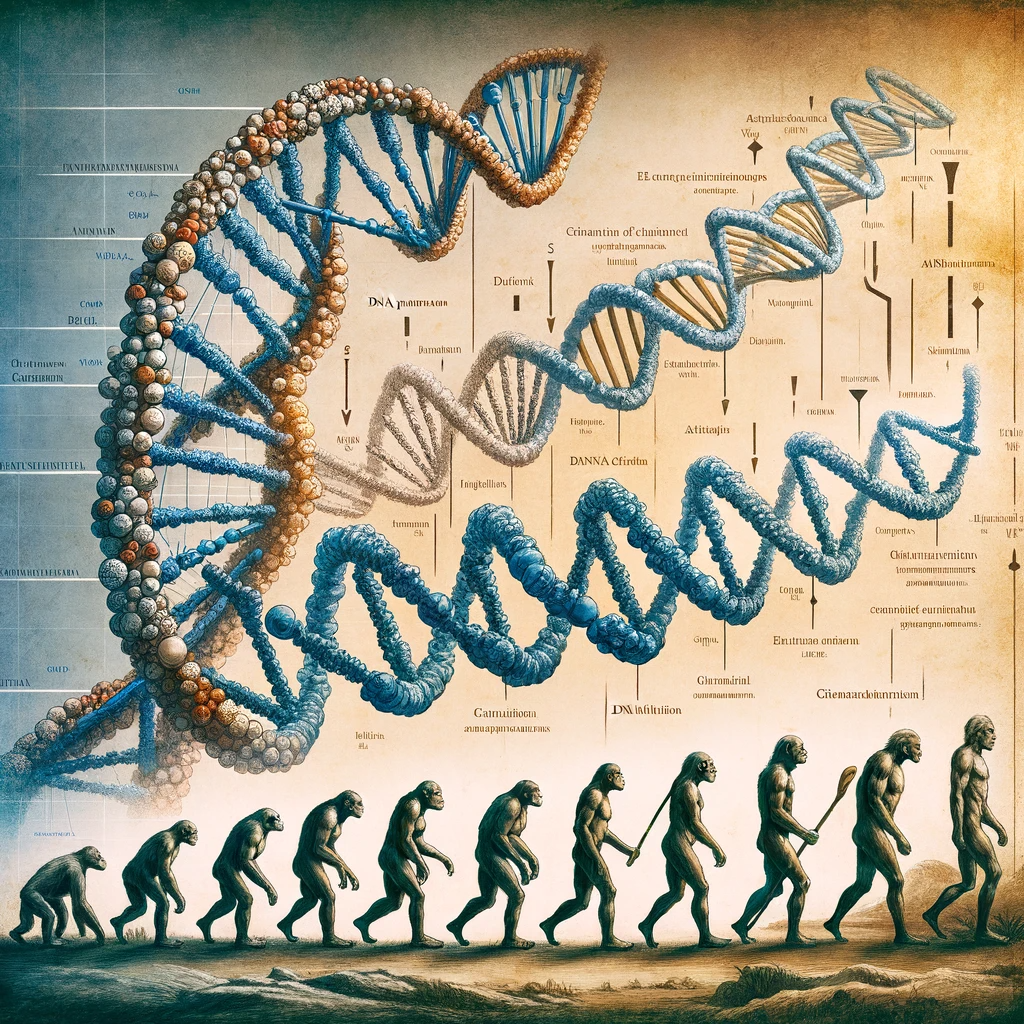

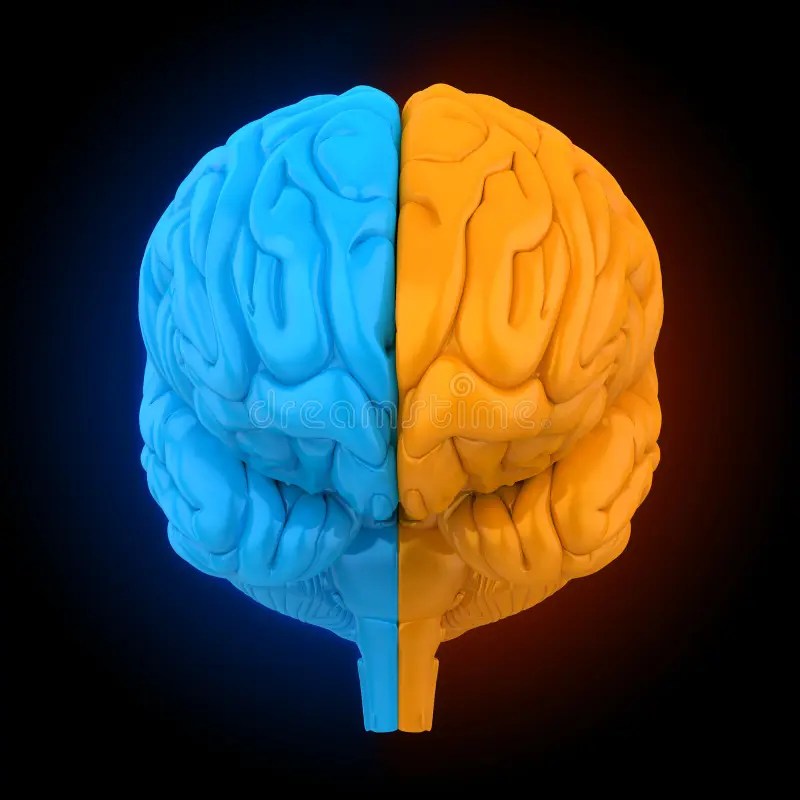






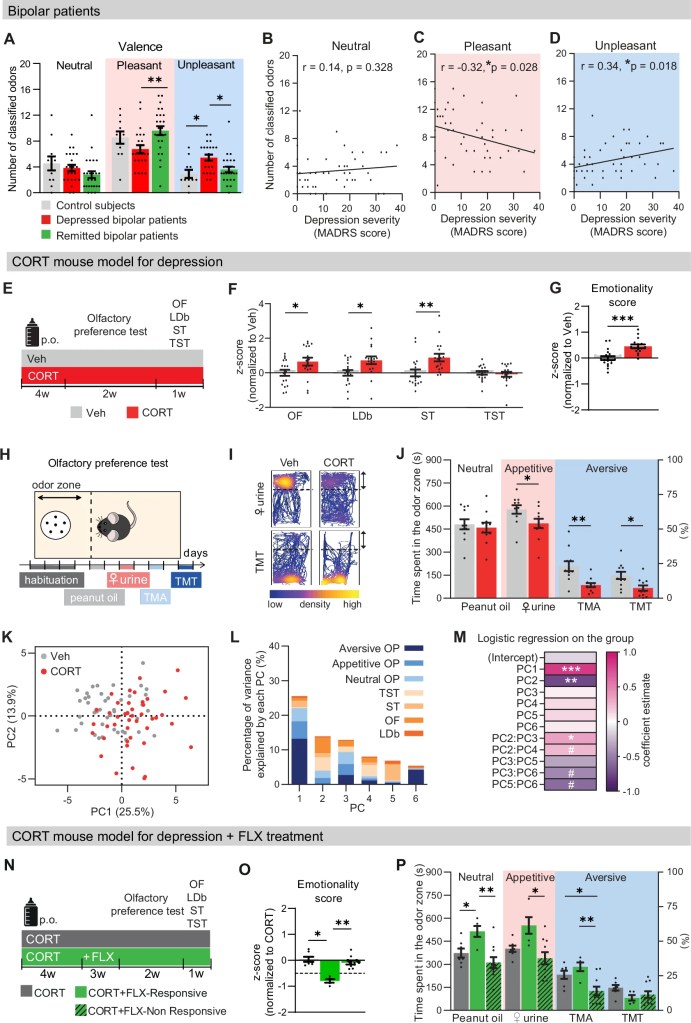
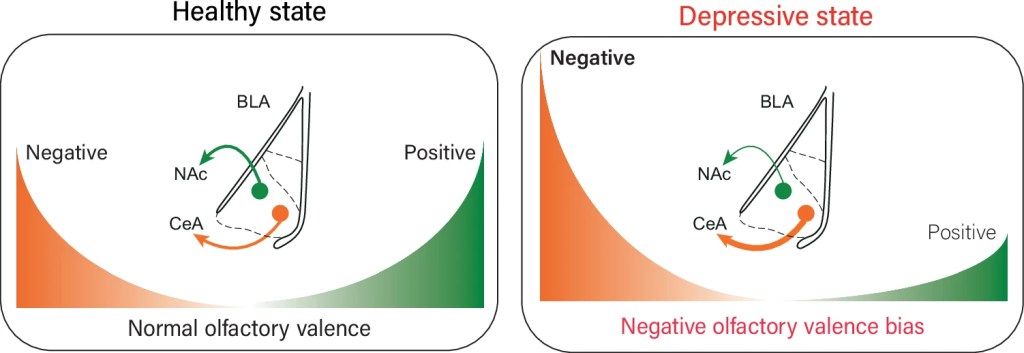
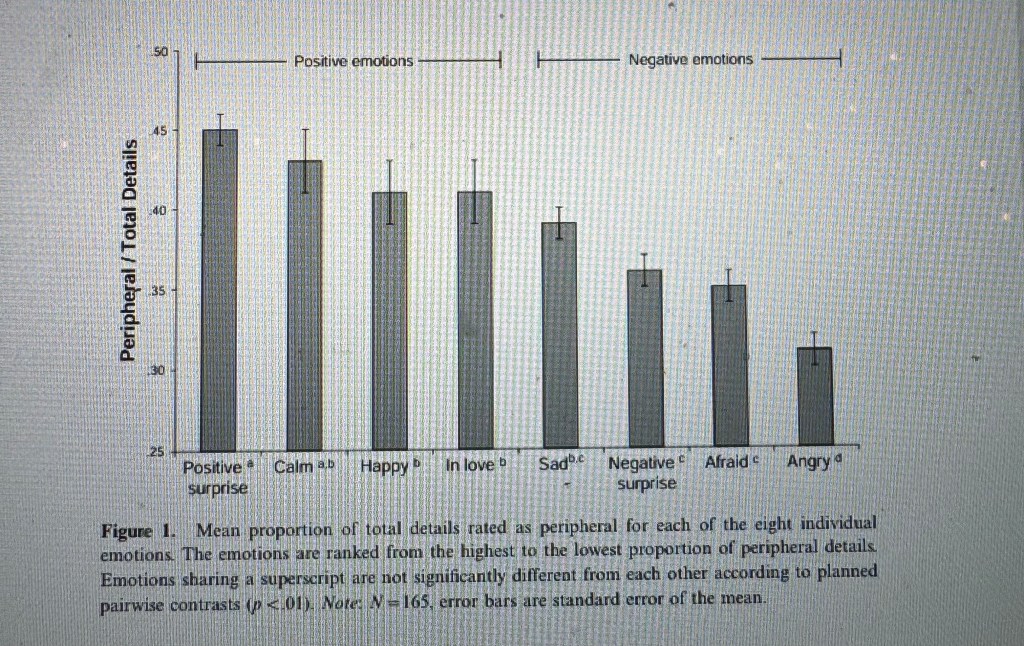


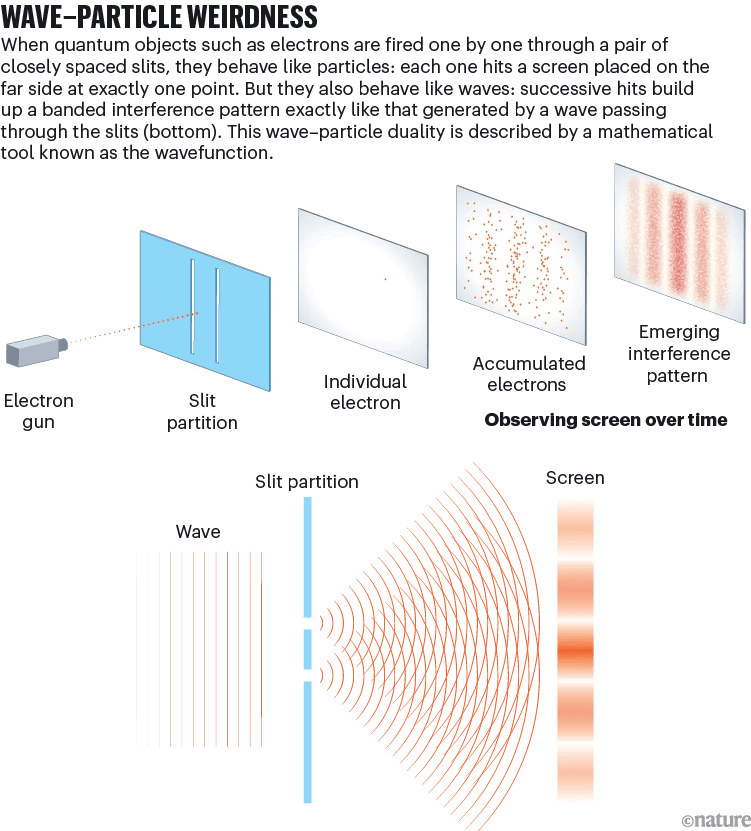

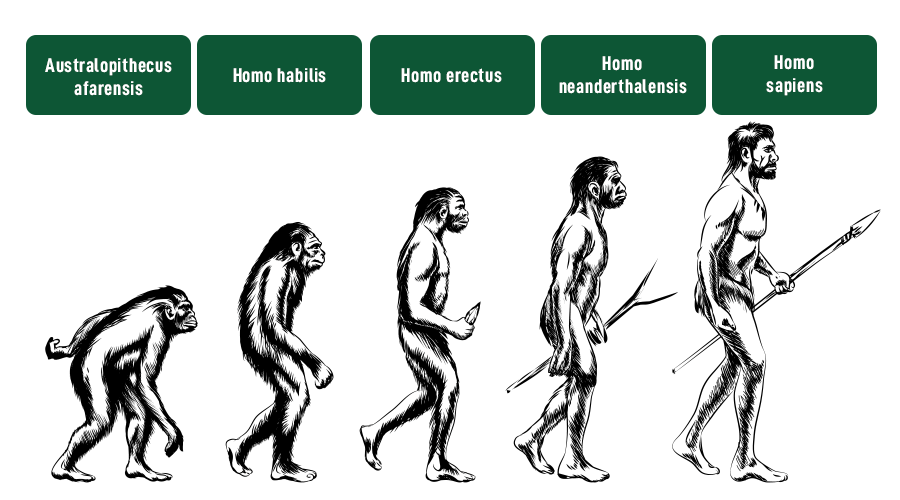





 Michael Thacker